
The Public Record Behind the Tort Claim
A document-based explanation of the zoning enforcement concerns, ethics complaint, and court-process issues being discussed publicly.
EXPLANATORYEDITORIAL
Michael Bollard
5/1/202612 min read
Recently, my tort claim notice has been discussed publicly in a political context. Some of that discussion has been incomplete, and some of it has included claims that are simply not true. Since residents are now hearing pieces of this story, I believe the best response is to lay out the public record in a way that is clear, fair, and easy to follow.
This article is limited to documents I can properly share, public-record issues, court filings already part of the process, and my direct correction of false statements about who prepared my filings. I am not asking anyone to decide a legal claim on social media or reach a conclusion about liability. Allegations remain allegations unless and until they are decided by the appropriate court, agency, or public body.
What I am asking is simple: look at the documents, understand the timeline, and decide for yourself whether the process was documented, consistent, reviewable, and fair.
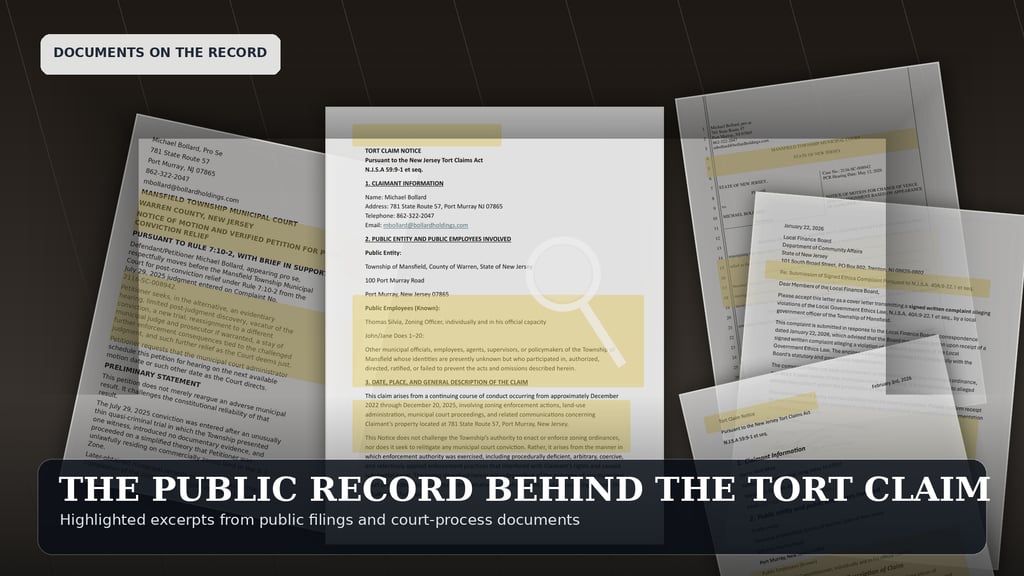
1. Why I Am Publishing This
I did not bring this issue into public campaign discussion. Others chose to raise my tort claim publicly, including questions about who prepared my documents and how much money I am supposedly seeking from taxpayers.
Once that happens, accuracy matters.
A tort claim notice is a legal document. It should not be reduced to a campaign talking point, described in a way that leaves out the core issue, or used to suggest things that are not true. This article explains what the tort claim notice actually is, lays out the timeline of the zoning enforcement and court-process issues, and directly answers the public questions that have been raised.
This is not an attempt to try a legal case online. The legal issues belong in the legal process. The ethics issues belong in the ethics process. The public records belong in front of the public. Each has its own separate process.
I will outline several publicly facing documents in this article, organized by each of those processes.
2. What a Tort Claim Notice Is
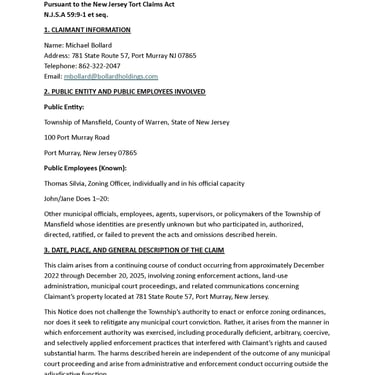
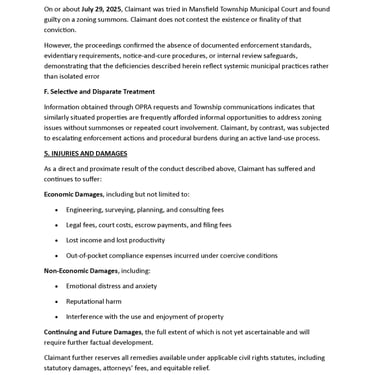
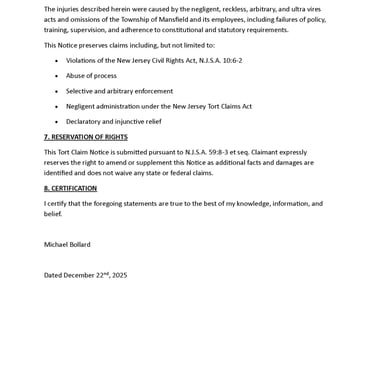
A tort claim notice is not a judgment, a finding of liability, proof of wrongdoing, or money that has been awarded. It is a required legal notice that preserves potential claims involving a public entity or public employee. It identifies the general nature of the claim and gives the public entity notice before a lawsuit may be filed.
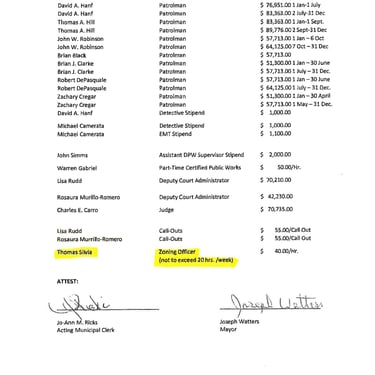
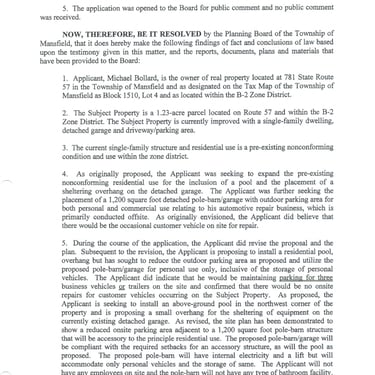
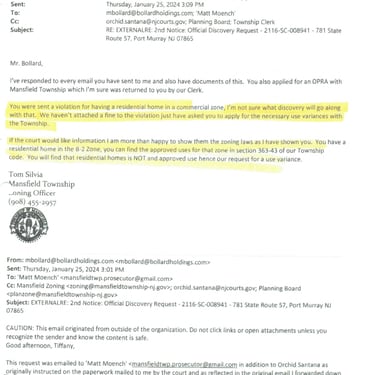
My tort claim notice concerns zoning enforcement involving my property at 781 State Route 57. It identifies Mansfield Township and Zoning Officer Tom Silvia. It also preserves claims involving unknown municipal officials, employees, agents, supervisors, or policymakers if later evidence shows that they participated in, authorized, directed, ratified, or failed to prevent the conduct described in the notice.
That distinction matters. The notice does not say Mansfield Township has no right to enforce zoning. It does not say zoning ordinances should be ignored. It does not challenge the general authority of the Township to regulate land use. The issue is the manner in which enforcement authority was exercised.
The public question is whether zoning enforcement was documented, consistent, fair, and reviewable.
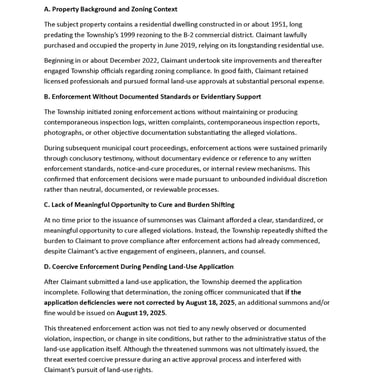
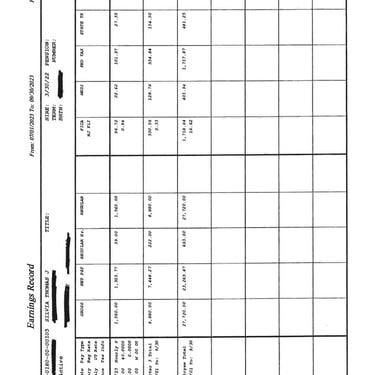
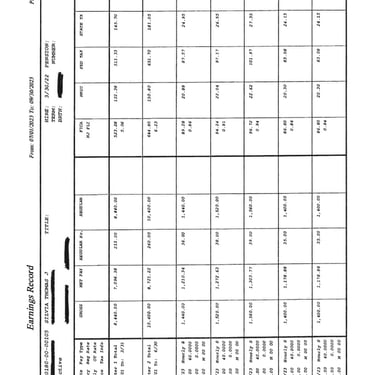
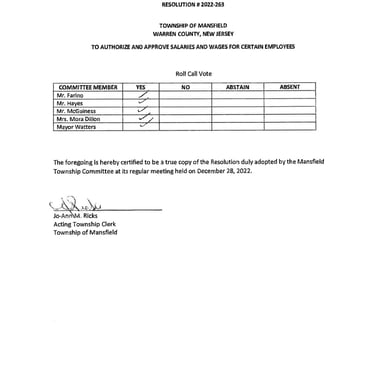
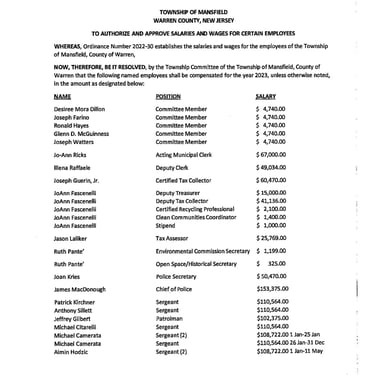
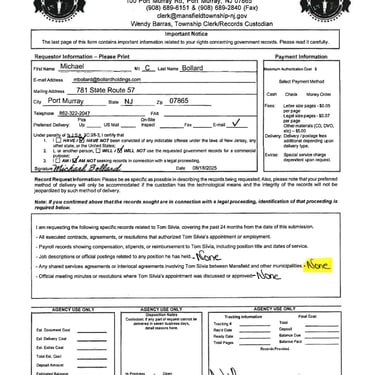
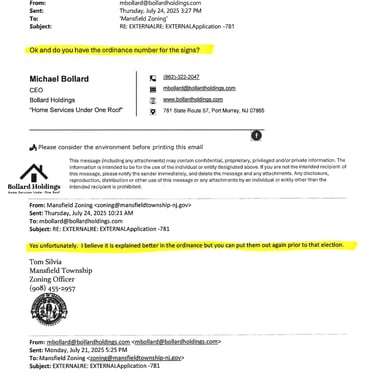
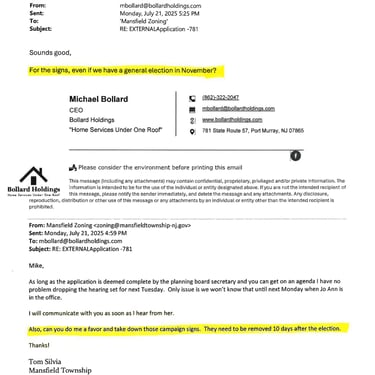
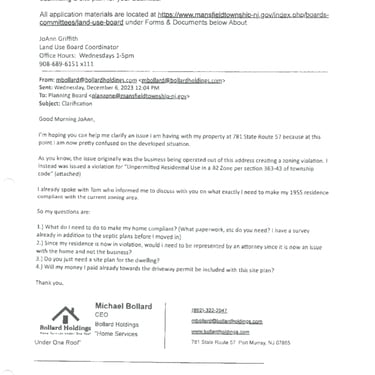
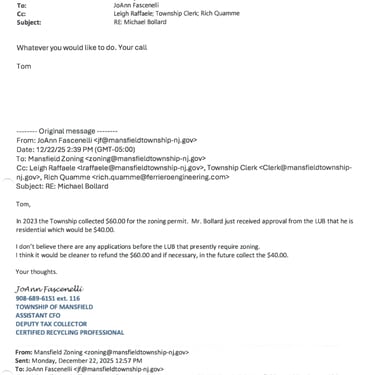
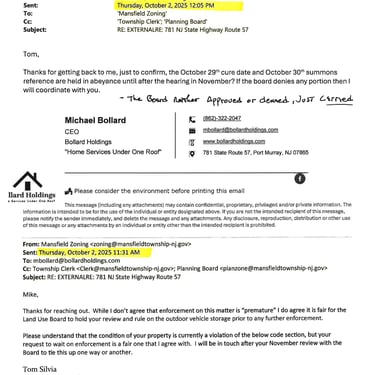
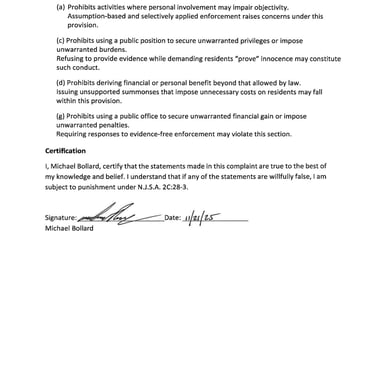
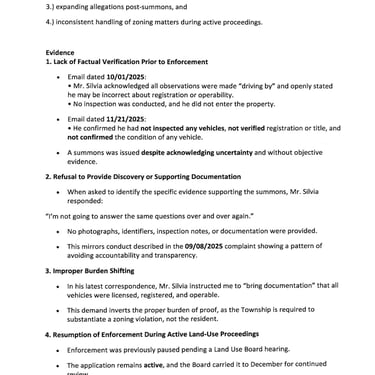
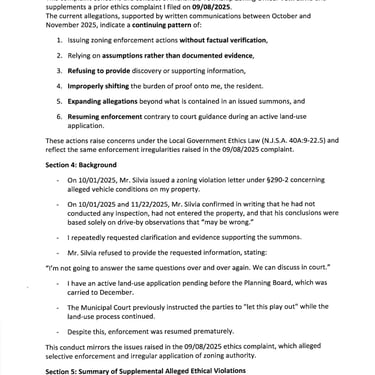
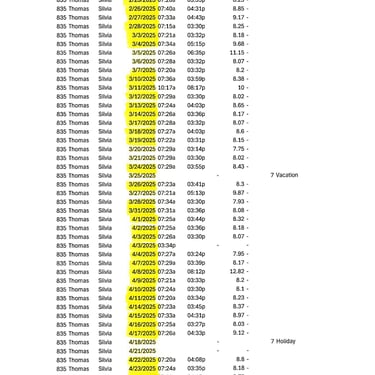
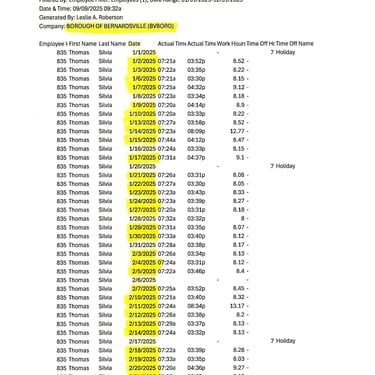
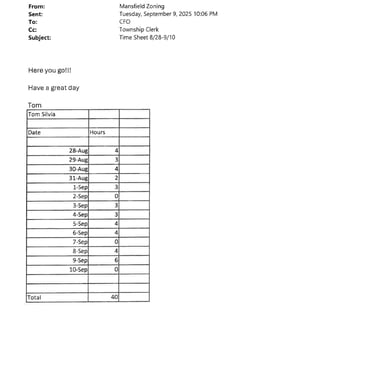
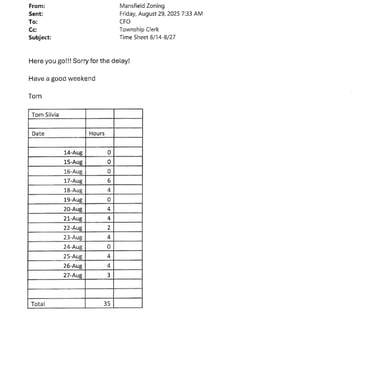
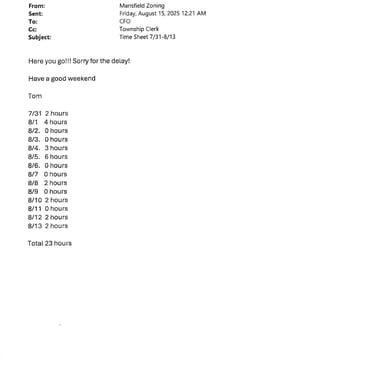
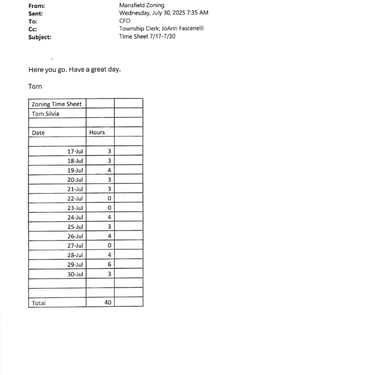
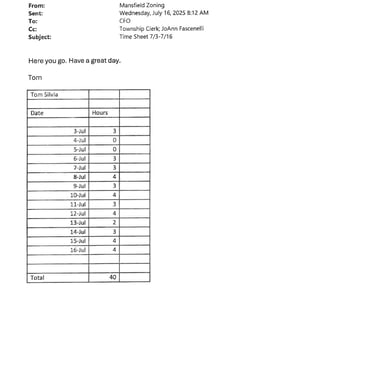
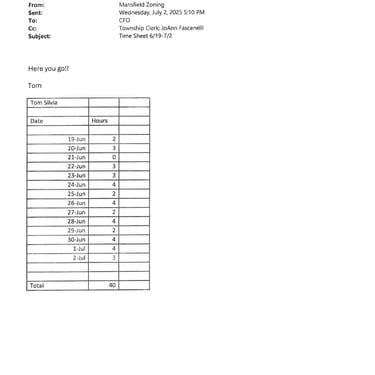
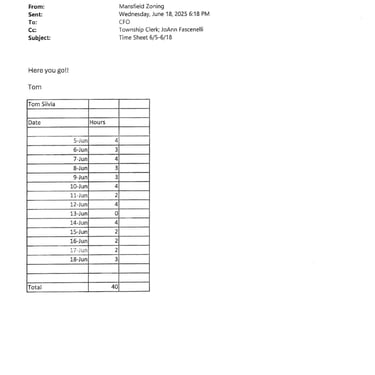
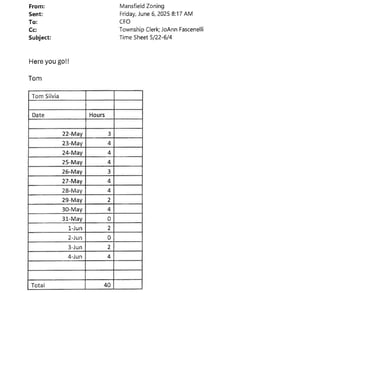
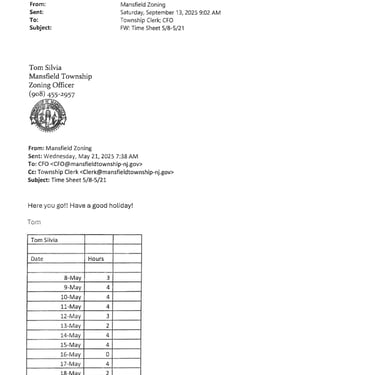
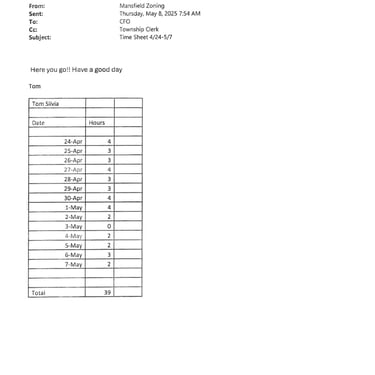
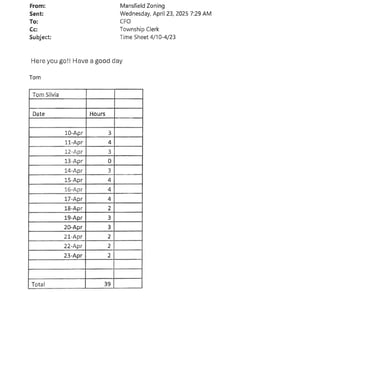
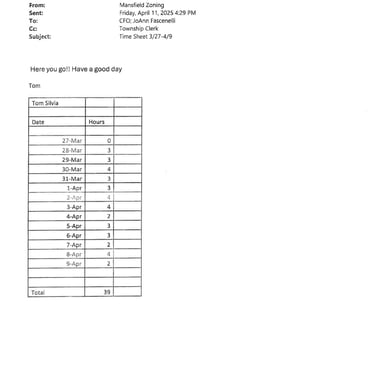
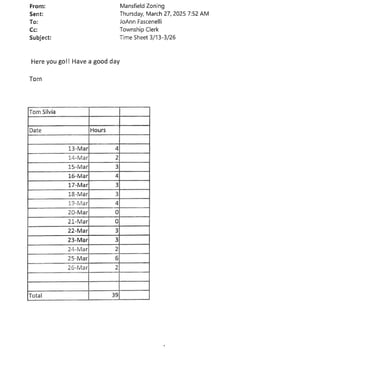
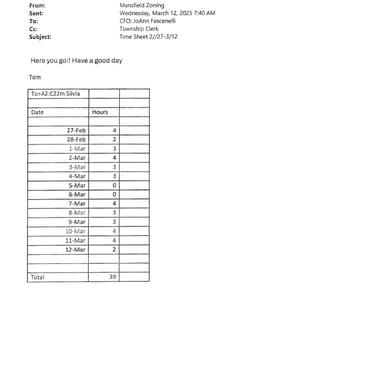
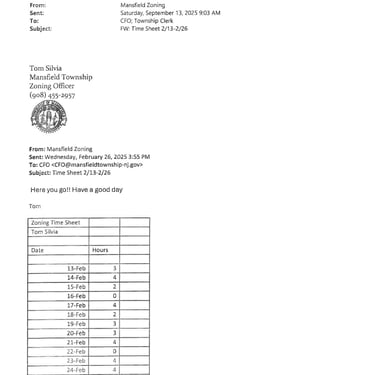
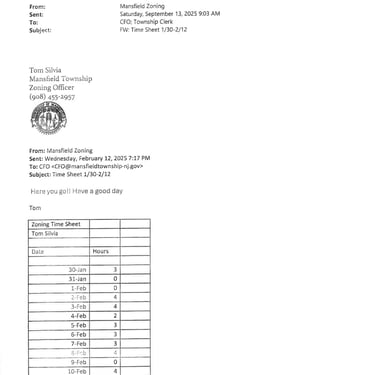
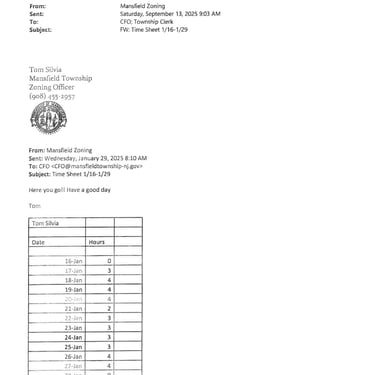
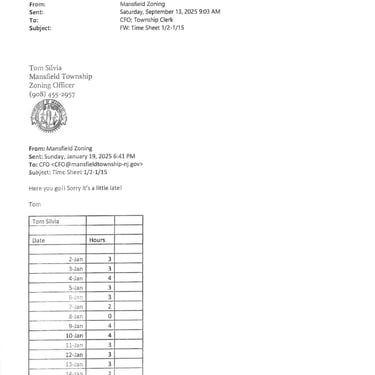
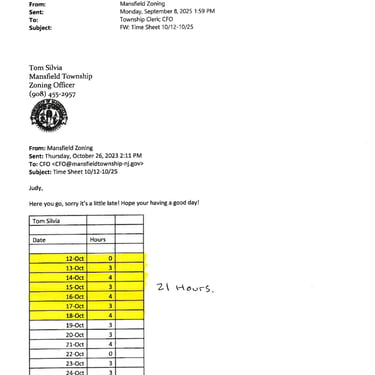
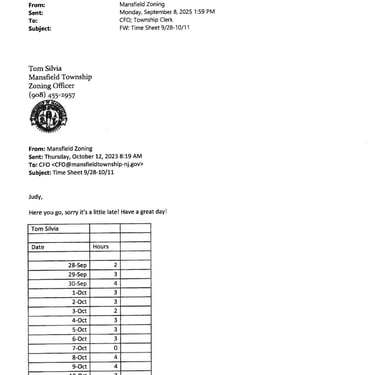
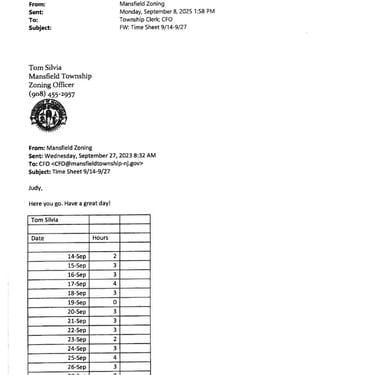
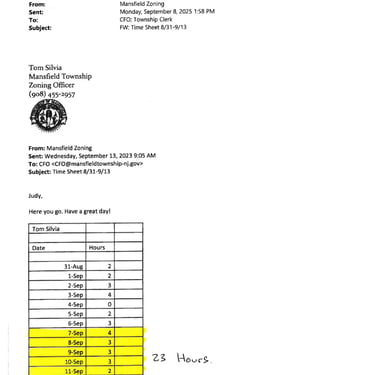
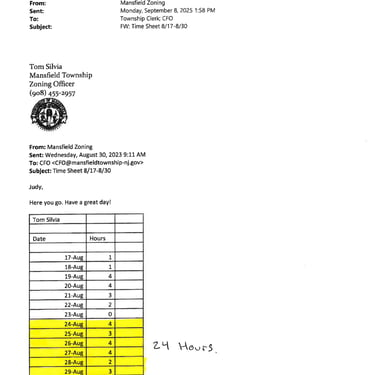
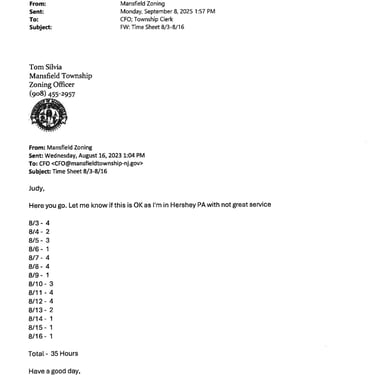
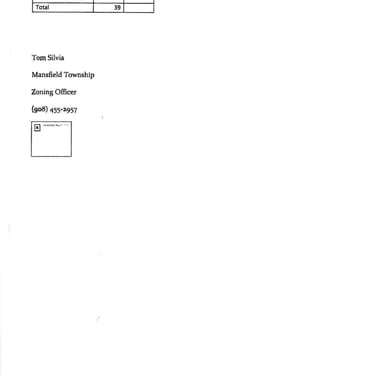
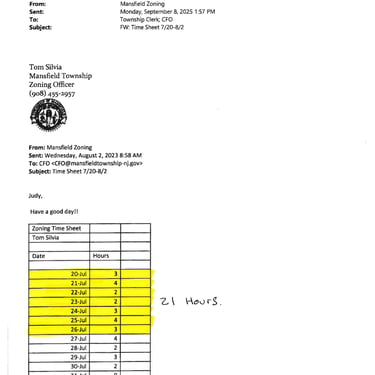
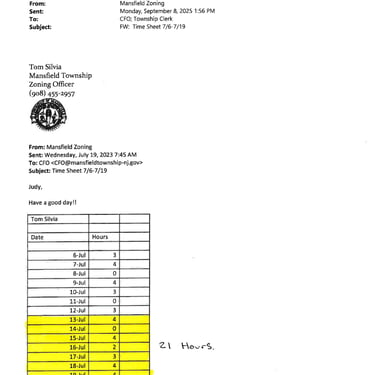
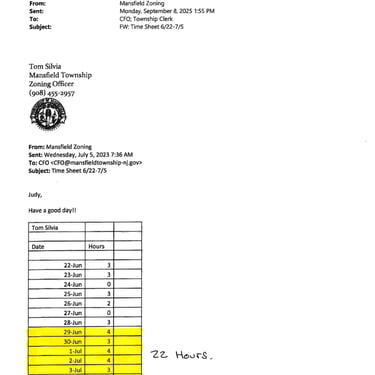
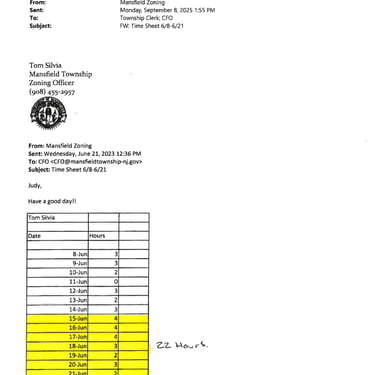
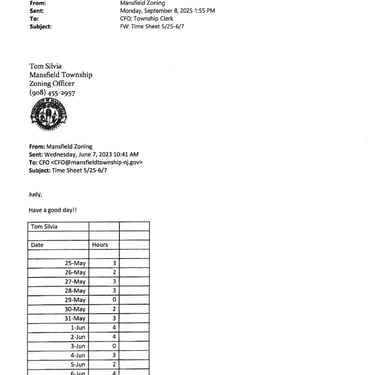
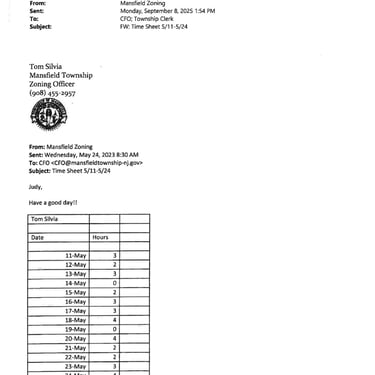
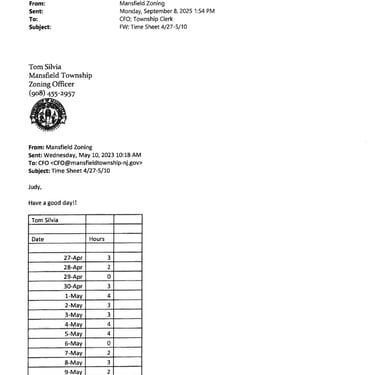
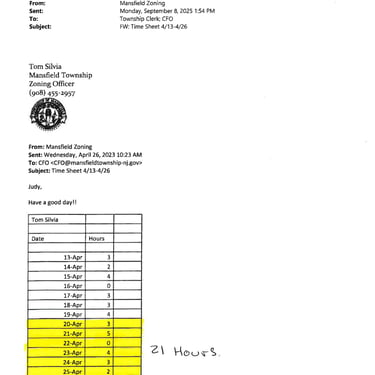
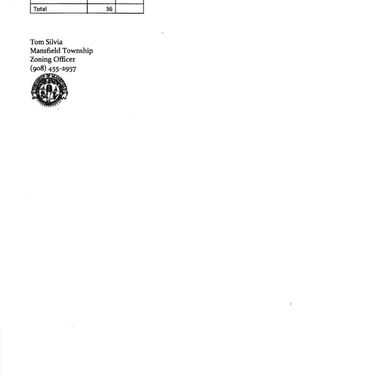
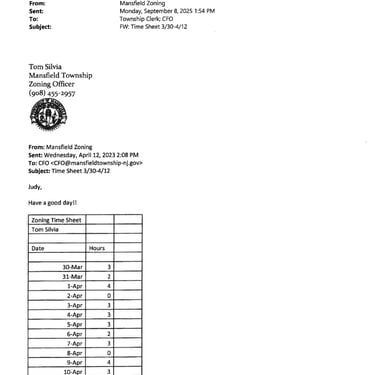
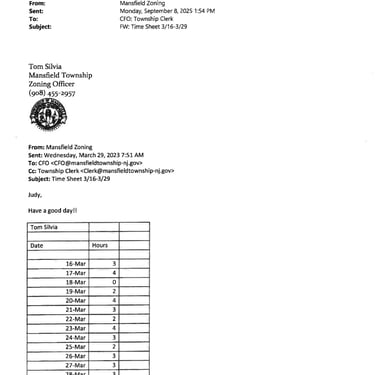
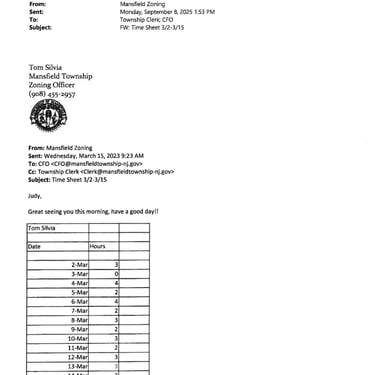
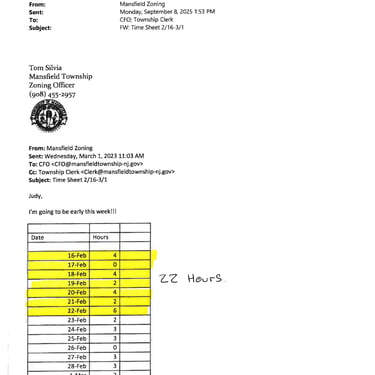
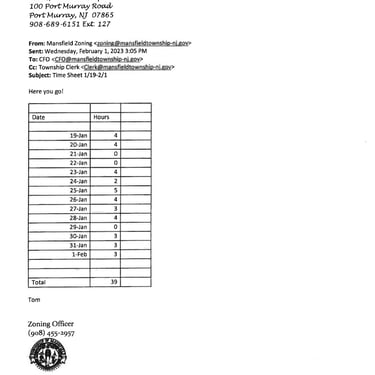
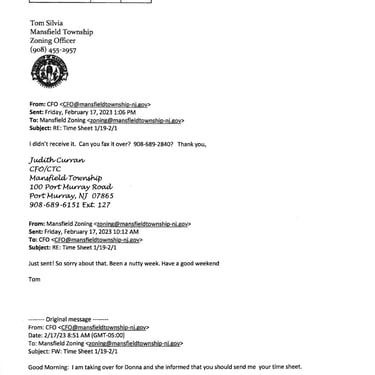
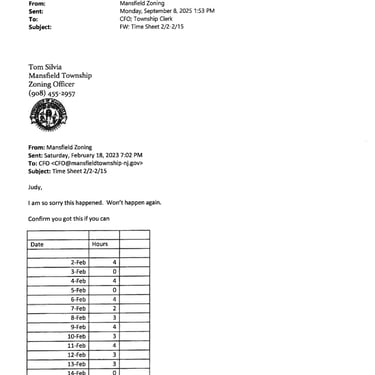
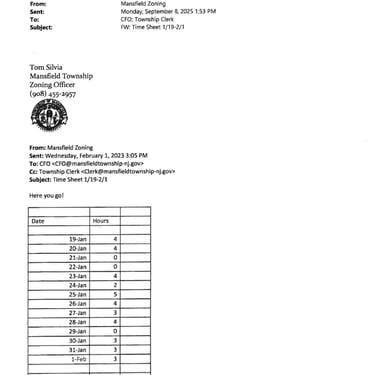
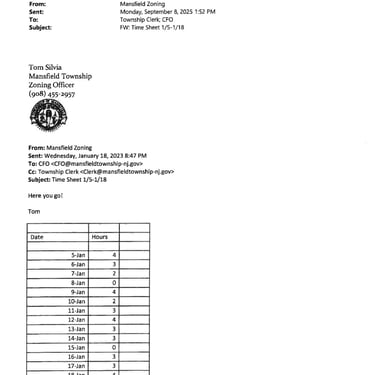
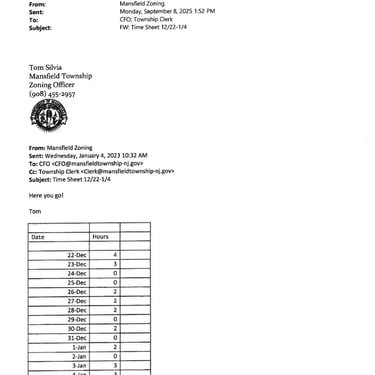
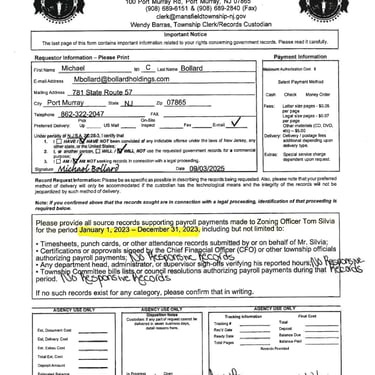
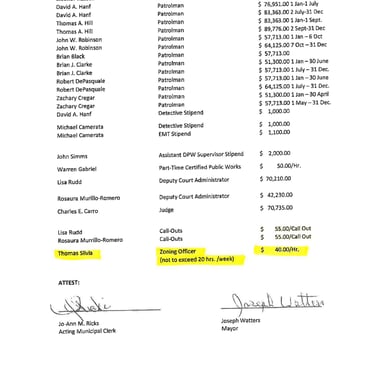
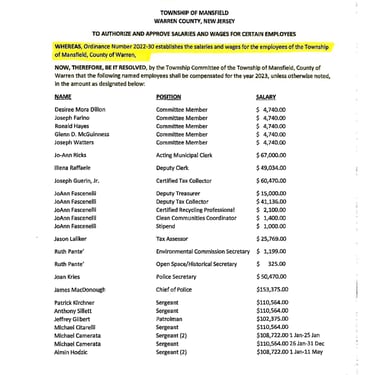
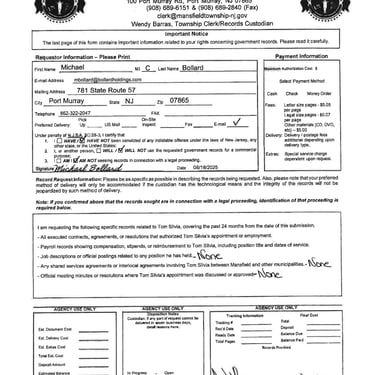
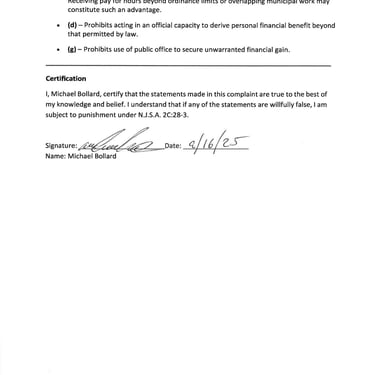
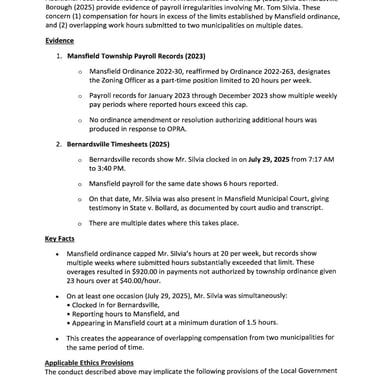
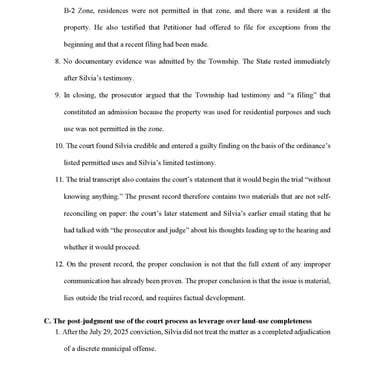
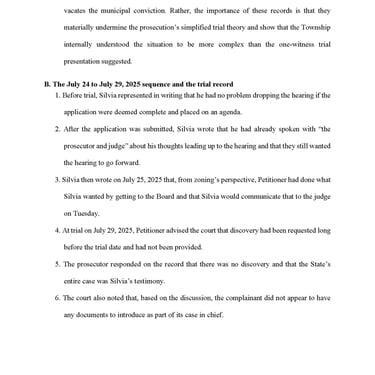
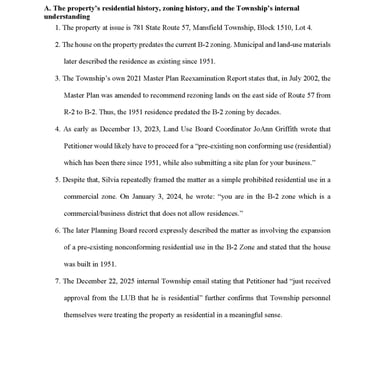
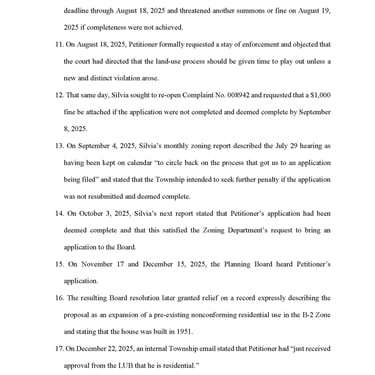
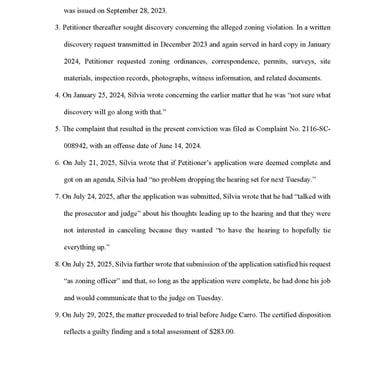
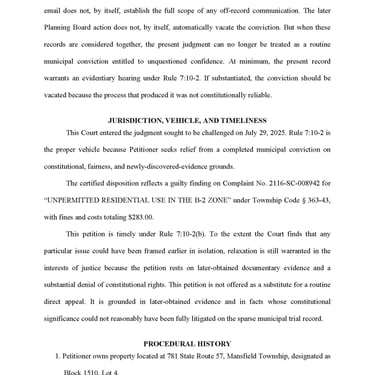
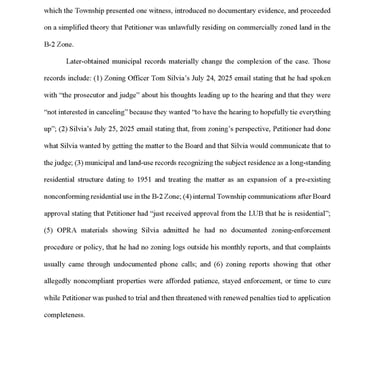
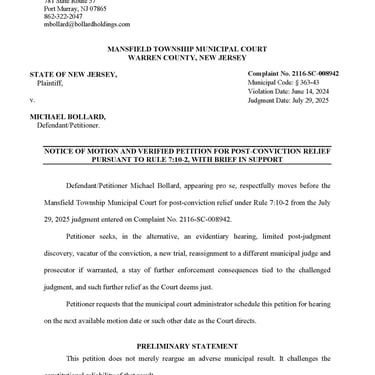
Click the images to read
3. Why Zoning Enforcement Matters to Every Resident
Zoning enforcement is not just paperwork. It affects homes, businesses, property rights, legal costs, engineering costs, escrow deposits, court appearances, land-use applications, and the ability to use private property.
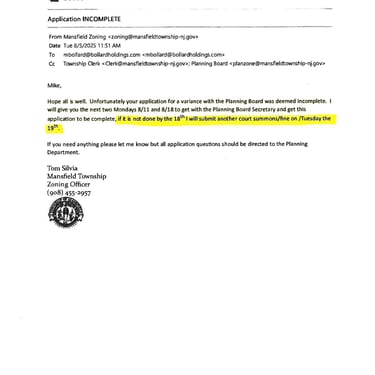
When a zoning officer issues a notice, threatens a summons, directs a resident into a land-use process, or creates enforcement pressure during an active application, residents should be able to understand the basis for that decision. There should be records, standards, consistency, and a way to verify that similar situations are being treated similarly.
That is not a personal issue. It is a government-process issue.
A fair system protects residents and the Township. Documentation, written standards, and consistency help everyone understand what rules apply and how those rules are enforced.
4. The Beginning of the Dispute
The tort claim notice describes a continuing course of conduct beginning around December 2022 and continuing through December 2025. The underlying issues involve zoning enforcement, land-use administration, municipal court proceedings, and communications concerning my property.
From the beginning, my position has been that I made good-faith efforts to work through the process. I sought guidance, pursued land-use approvals, hired professionals, paid application fees, paid escrow, appeared in court, and tried to resolve issues through the formal channels available to me.
The concern raised in the tort claim is not that Mansfield has zoning laws. The concern is how those laws were applied and whether the process was documented and evenhanded.
5. The Documentation Problem
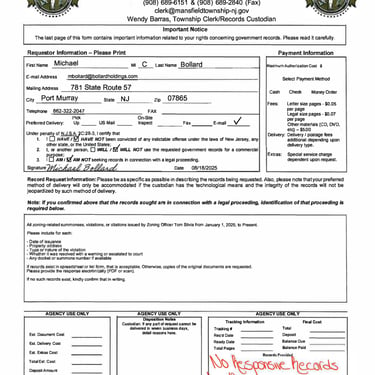
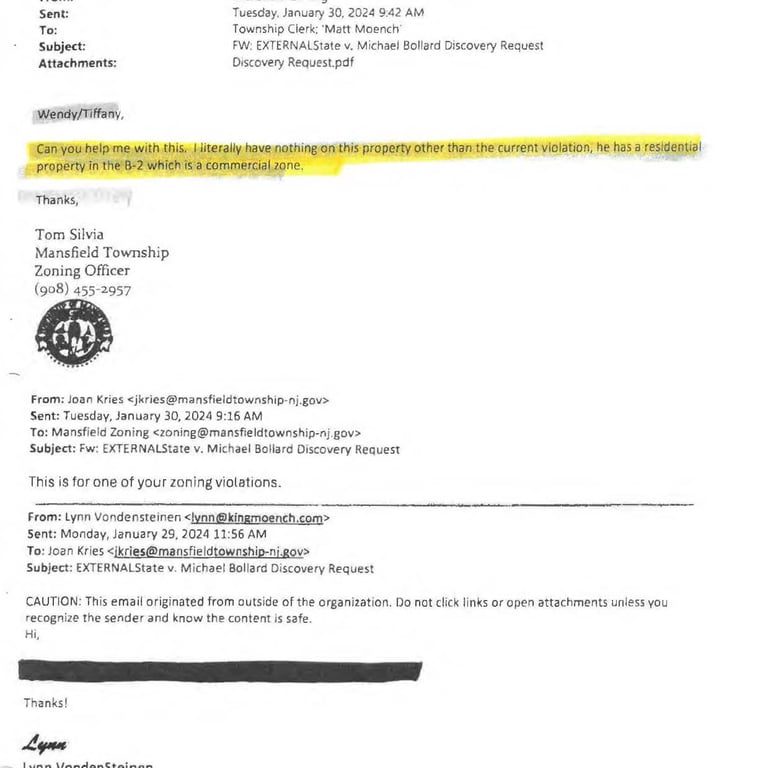
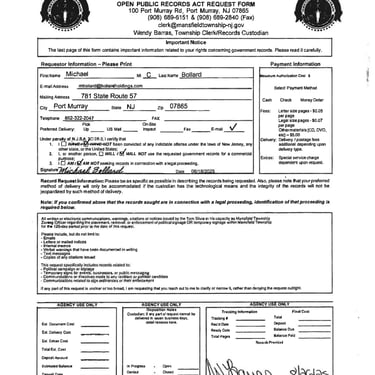
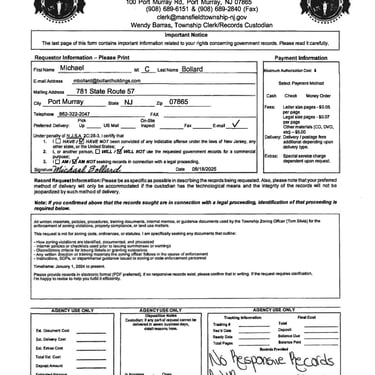
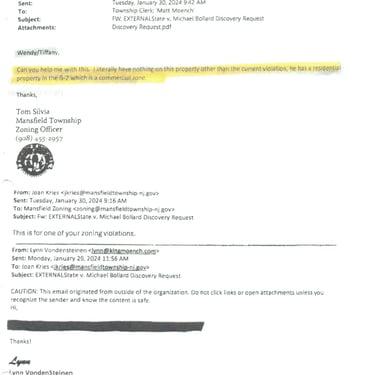
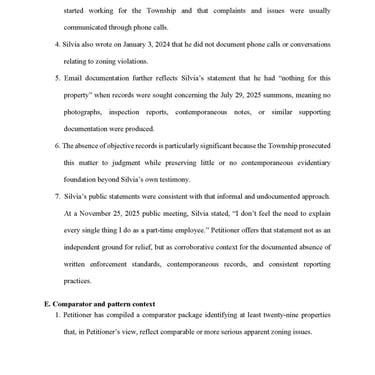
One of the major issues in the documents is documentation. In a zoning enforcement matter, residents should expect basic records, including photographs, inspection notes, complaint logs, written reports, identified violations, correspondence, and a clear factual basis for enforcement.
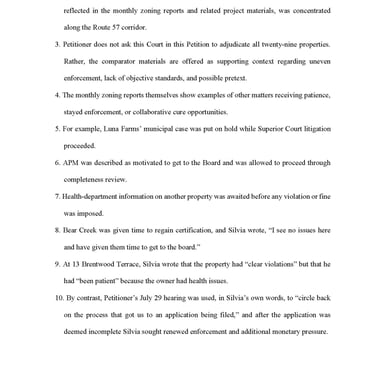
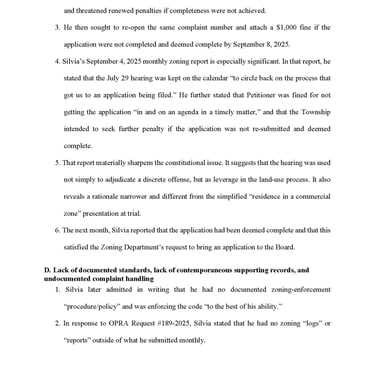
The tort claim notice alleges that enforcement actions were initiated and pursued without adequate contemporaneous documentation. That matters because without documentation, enforcement becomes difficult to review. A resident may not know exactly what is being alleged. A court may be left with testimony instead of records. The public cannot compare one enforcement matter to another. The Township cannot easily show that similar cases were treated similarly. The process becomes dependent on the discretion of one official rather than a clear record.
This is not about whether zoning should exist. It is about whether zoning enforcement should be supported by records. It should be.
6. The Procedure and Policy Issue
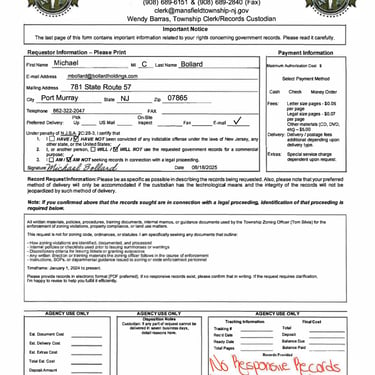
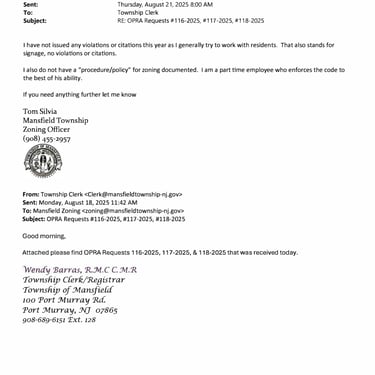
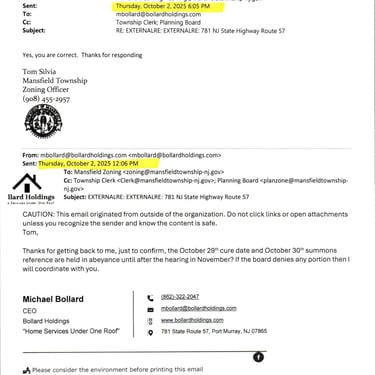
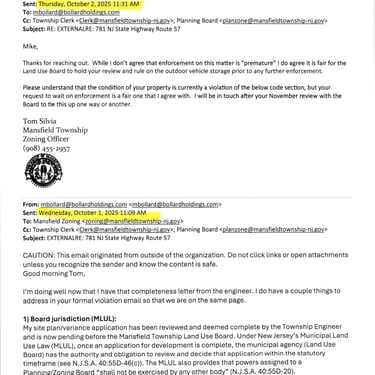
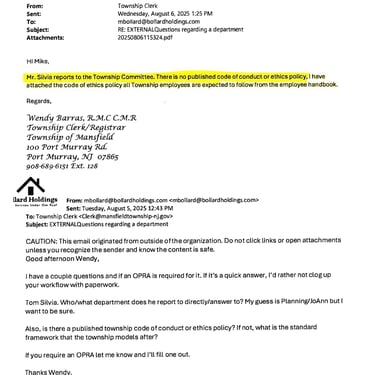
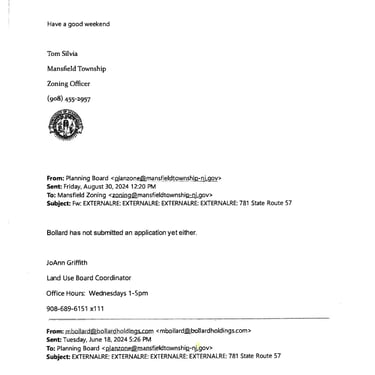
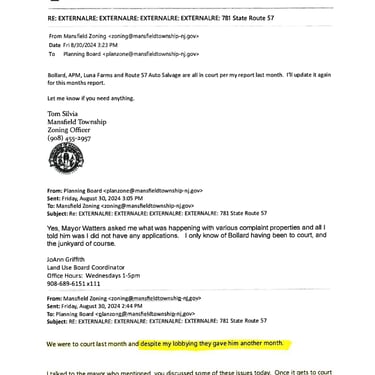
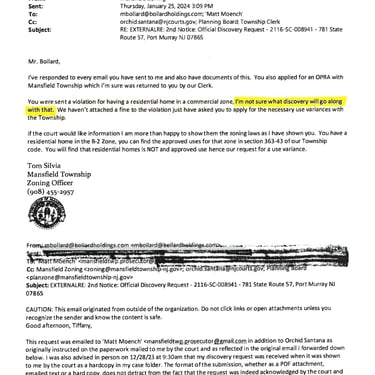
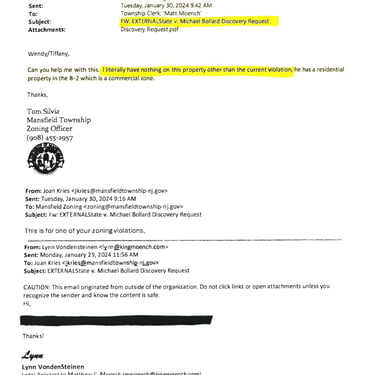
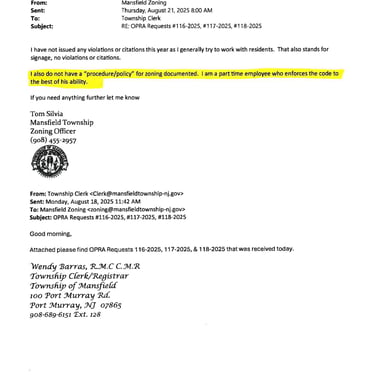
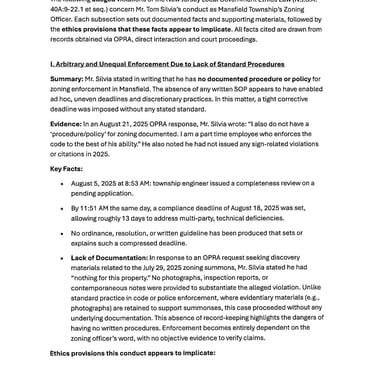
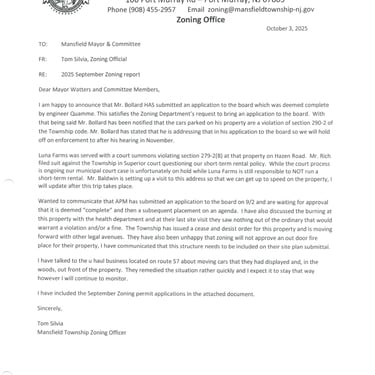
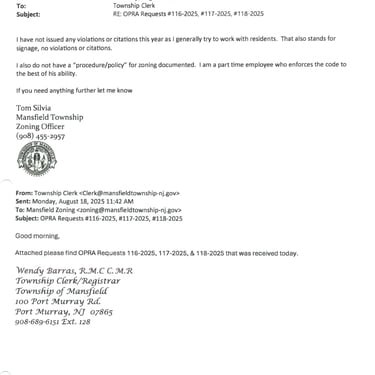
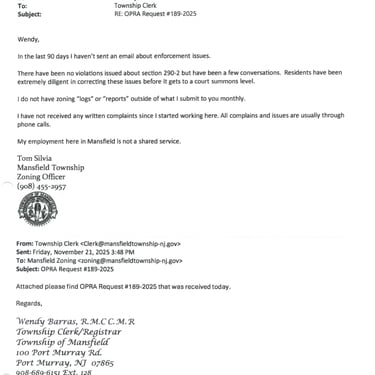
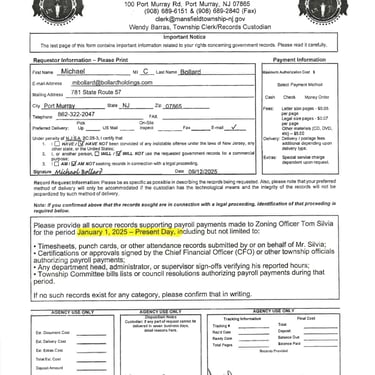
Another issue concerns written procedures. In public records, the zoning officer stated that he did not have a documented zoning procedure or policy.
That statement is important because zoning enforcement involves discretion. Discretion without written procedures can create confusion, uneven deadlines, inconsistent treatment, and disputes over what standard applies.
To be clear, the lack of a written procedure does not, by itself, prove misconduct. But it does raise a legitimate public question: how does Mansfield ensure zoning enforcement is consistent if there is no documented enforcement procedure?
Residents should not have to guess how enforcement works, rely on informal practices, or wonder whether one property owner is being treated differently from another. A documented process benefits everyone.
7. The Political Sign Issue
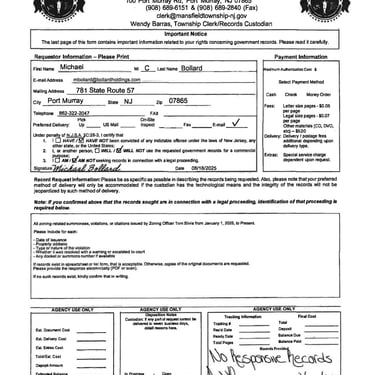
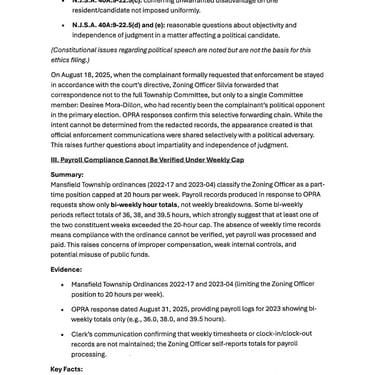
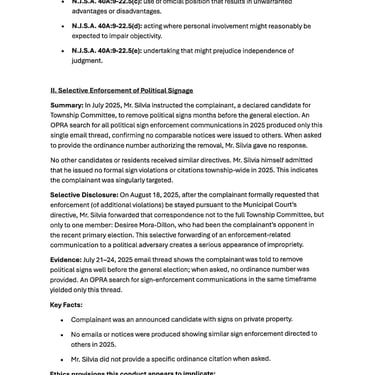
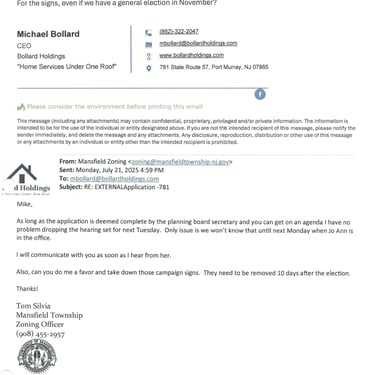
The ethics complaint also addresses political-sign enforcement. The concern is not simply that a sign issue was raised. The concern is whether political-sign enforcement was handled consistently and whether comparable notices were issued to others.
Political speech requires special care from public officials. When enforcement touches campaign signs, political speech, or election activity, the standard should be clear, neutral, and documented. Even the appearance of selective enforcement can damage public confidence.
The ethics complaint alleges that I was directed to remove political signs during an election cycle and that records did not show comparable enforcement directed to others in the same way. That is not a final finding. It is an allegation submitted for review through the proper ethics process.
8. The Land-Use Application and Enforcement Pressure
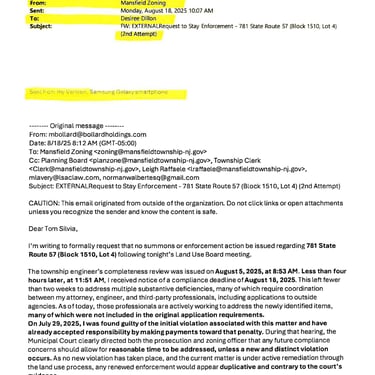
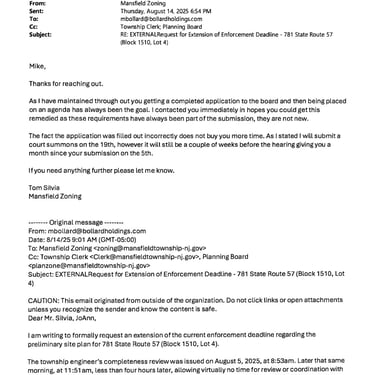
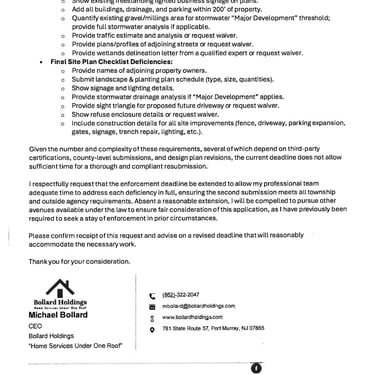
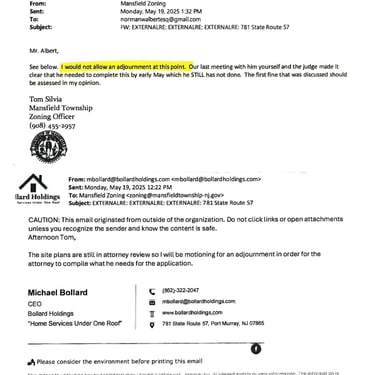
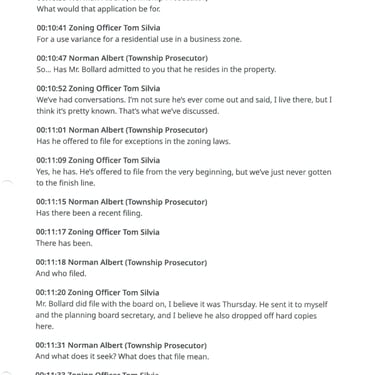
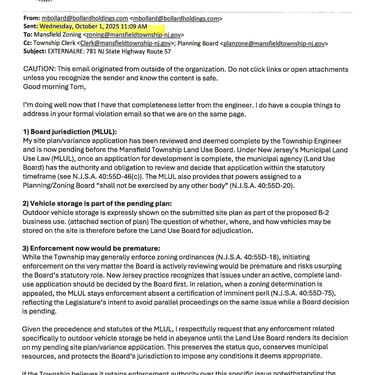
The tort claim notice also raises concerns about enforcement pressure during a pending land-use application.
A land-use application is a formal process involving applications, professionals, board review, engineers, planners, attorneys, escrow, public hearings, revisions, and formal approvals. When enforcement pressure is connected to that process, the basis for that enforcement should be clear.
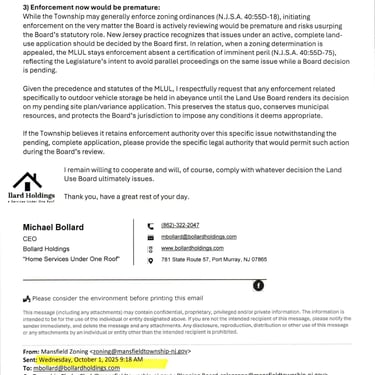
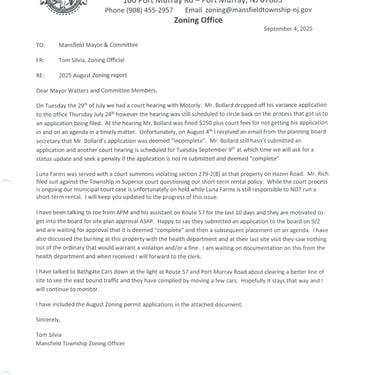
The concern raised in the tort claim is that enforcement pressure was tied to the administrative status of the application rather than a newly documented violation, inspection, or changed site condition. That distinction matters. The public issue is whether enforcement power was being used as a neutral code-enforcement tool or as pressure during an active approval process.
Residents should be able to examine the record and understand what happened.
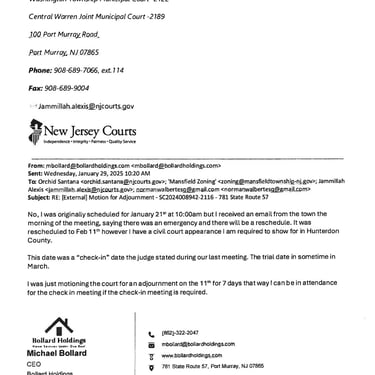
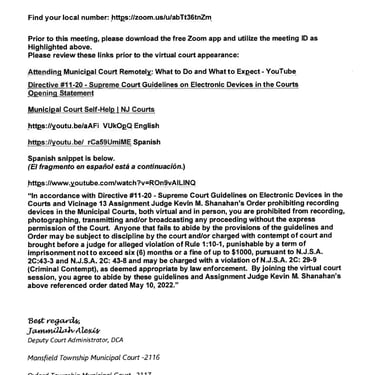
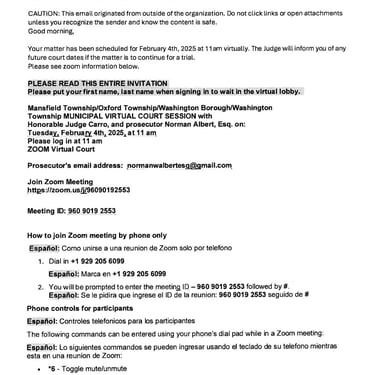
9. The July 29th Municipal Court Issue
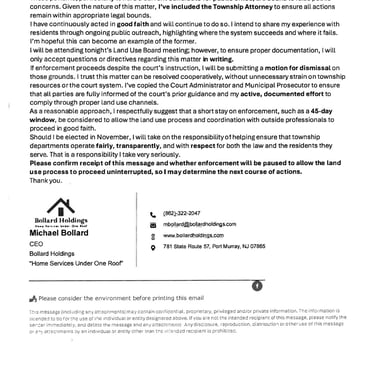
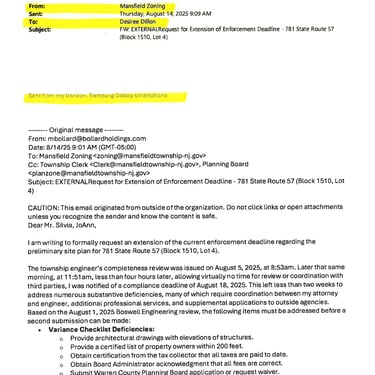
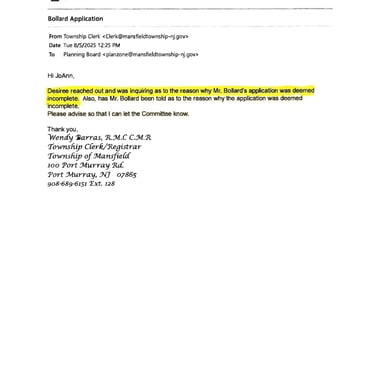
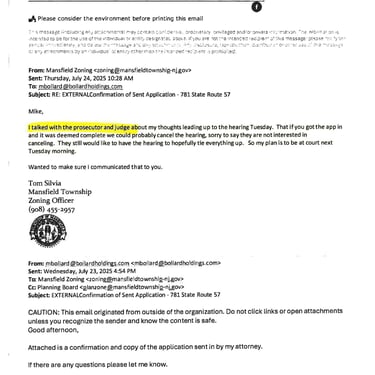
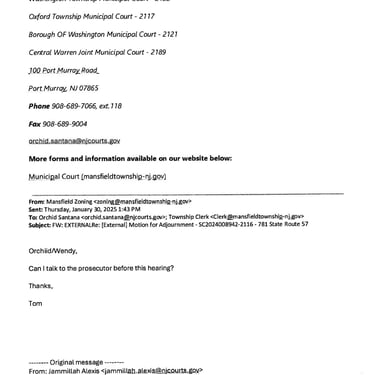
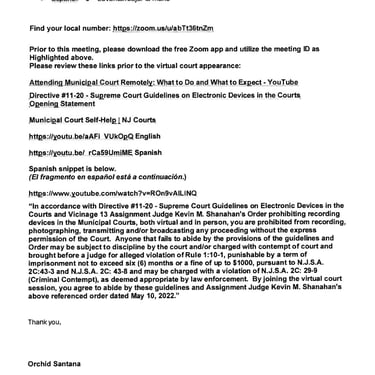
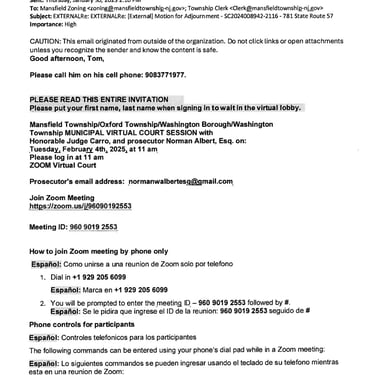
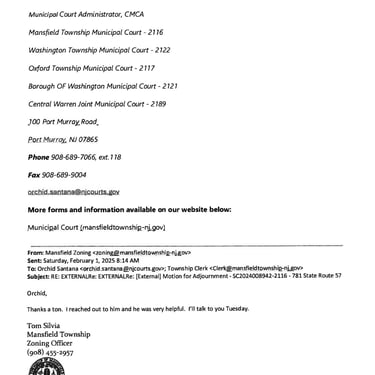
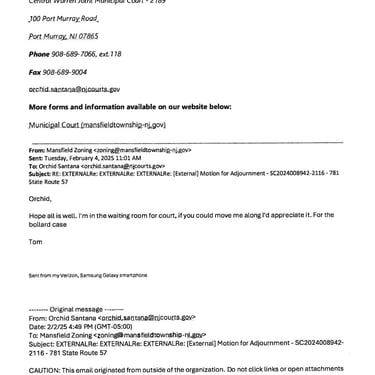
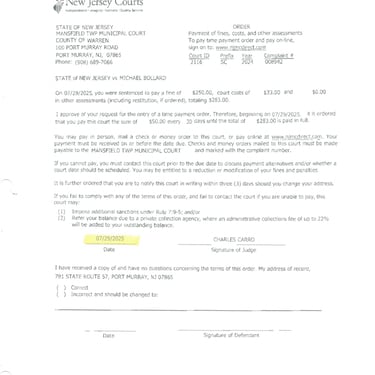
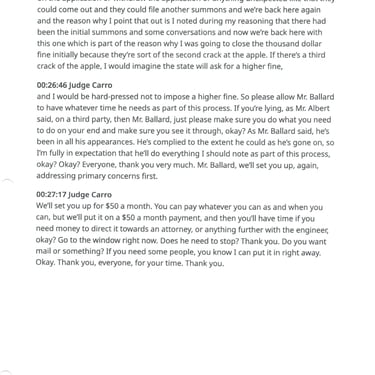
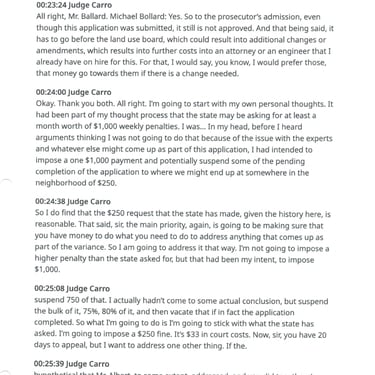
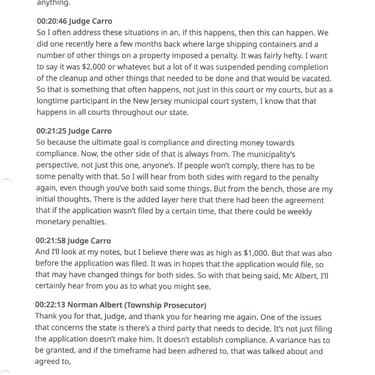
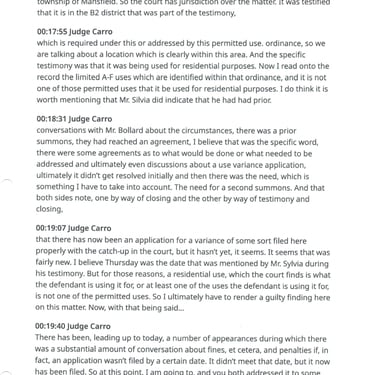
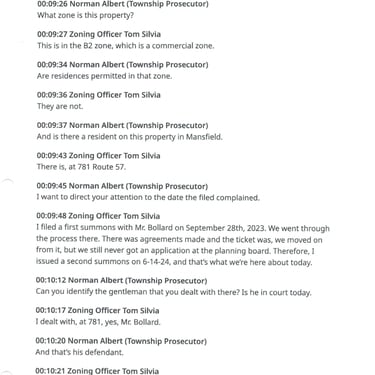
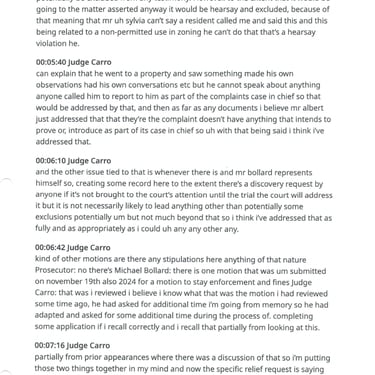
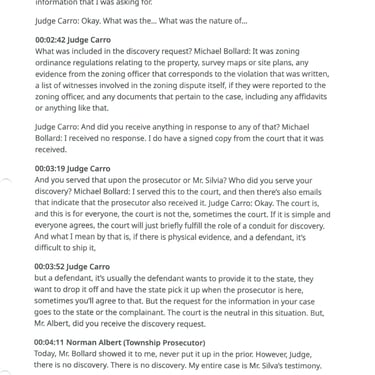
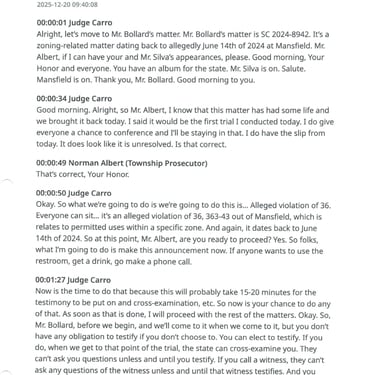
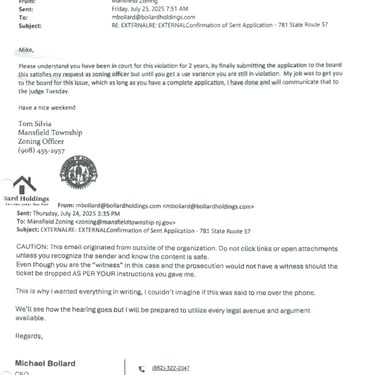
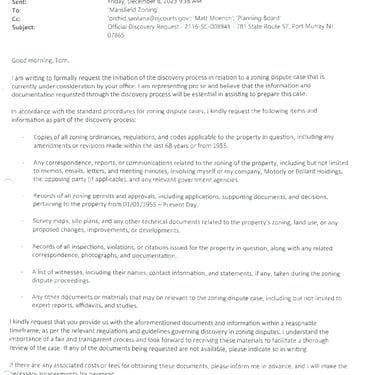
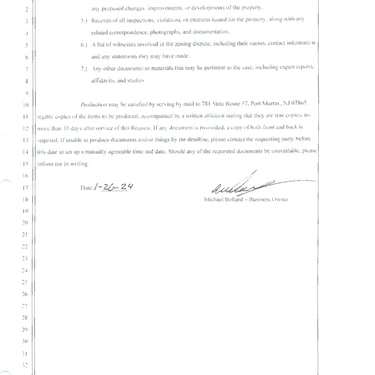
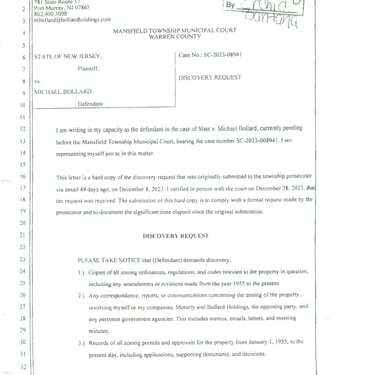
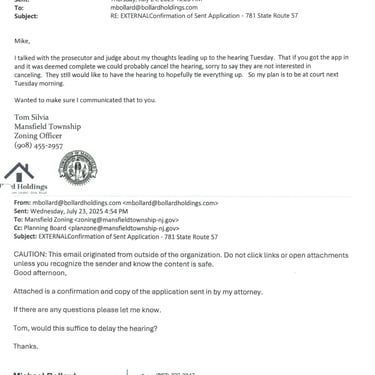
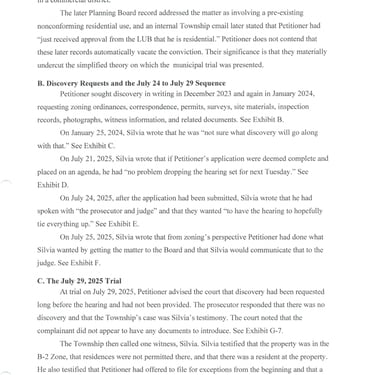
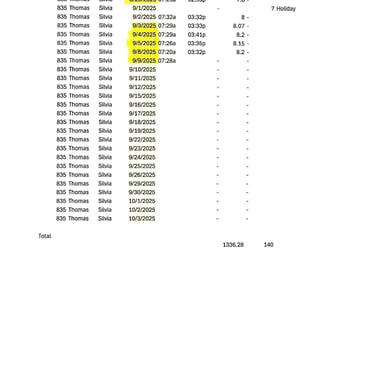
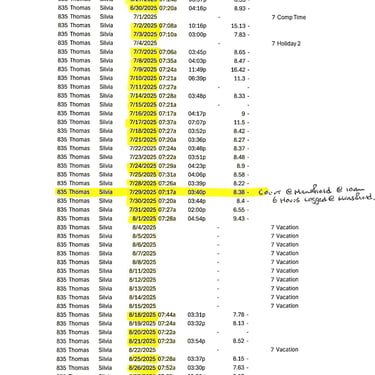
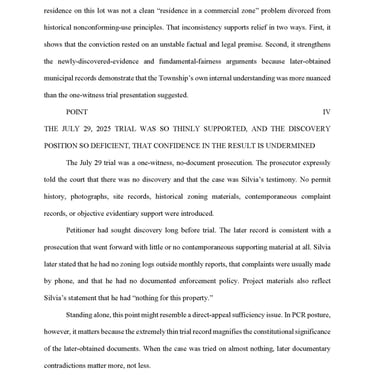
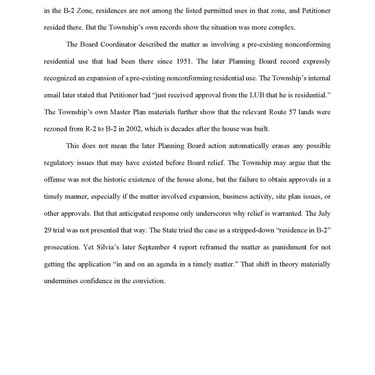
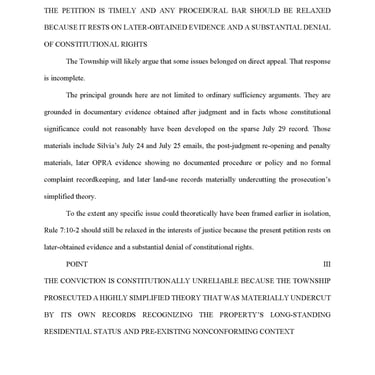
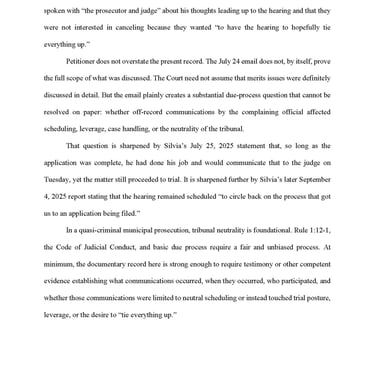
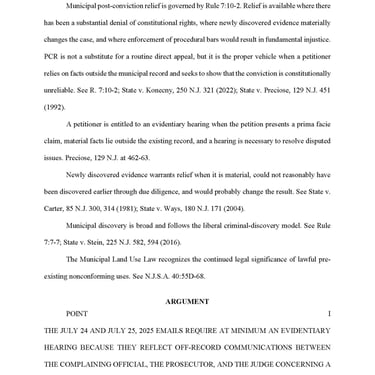
There is also a separate municipal-court-process issue involving the July 29, 2025 hearing. After that hearing, records obtained through public-record channels raised questions about communications and process before the hearing.
I want to be careful and precise here. I am not asking the public to decide that issue in this article, and I am not claiming that one document, by itself, proves misconduct. I am saying the record raised a concern serious enough to be addressed through the proper legal process.
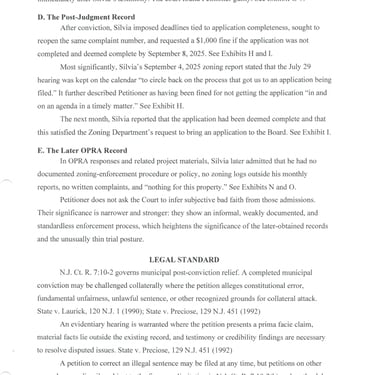
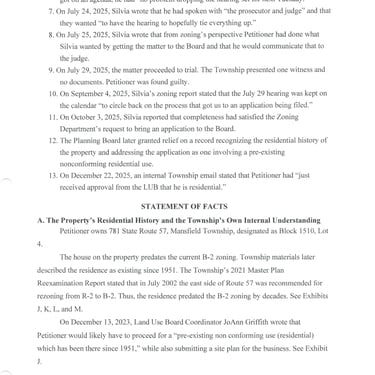
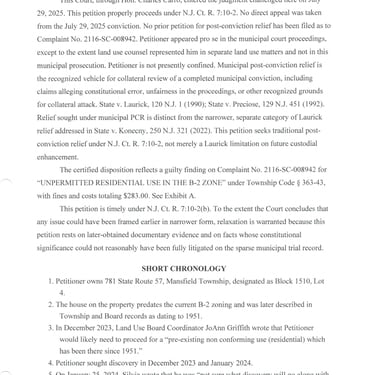
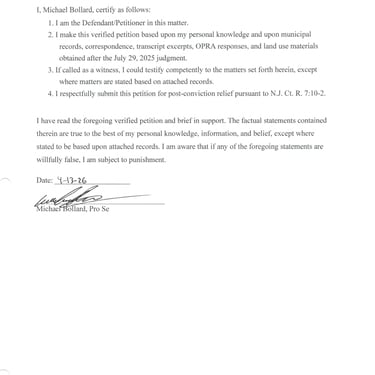
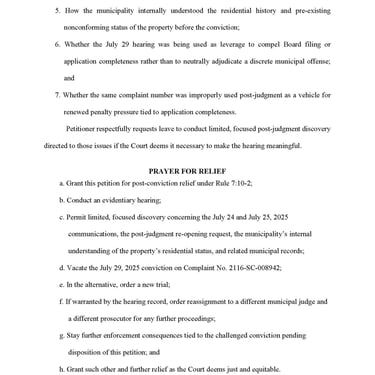
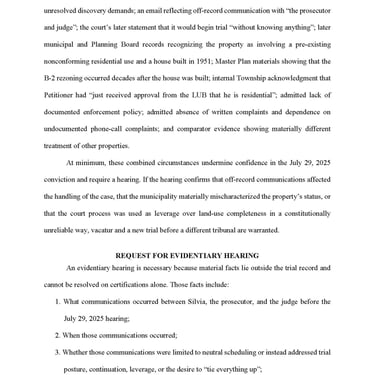
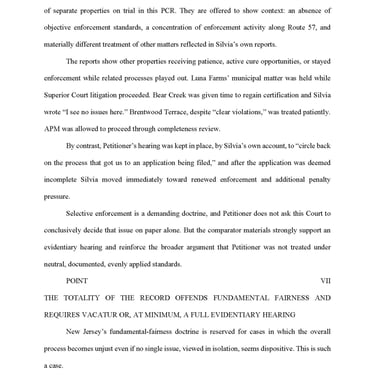
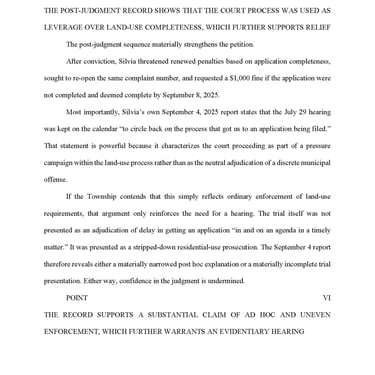
That is why a PCR was filed.
The court can address court-process issues. The ethics process can address ethics issues. The public can review public documents and decide whether local enforcement practices should be more transparent, consistent, documented, and fair.
10. The Later §290-02 Vehicle Summons
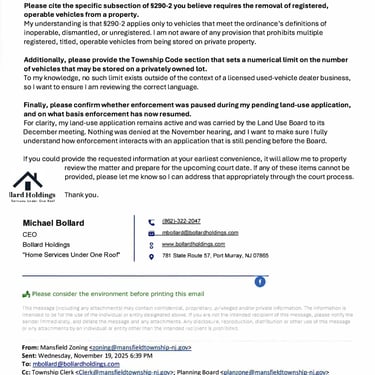
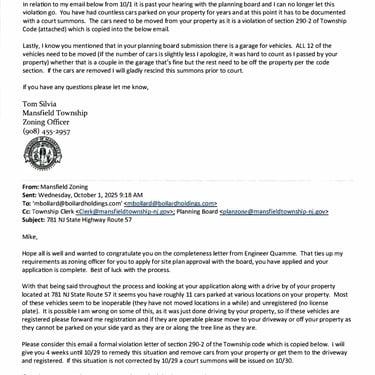
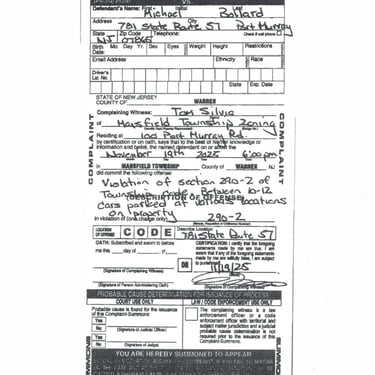
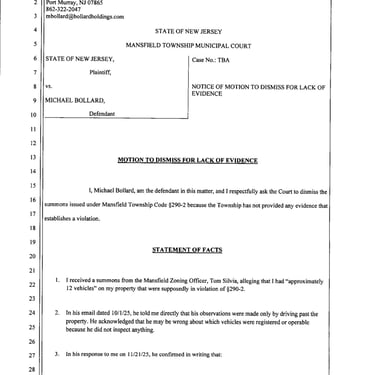
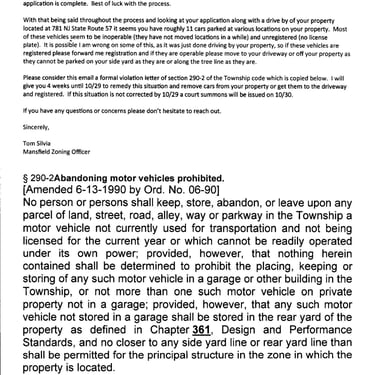
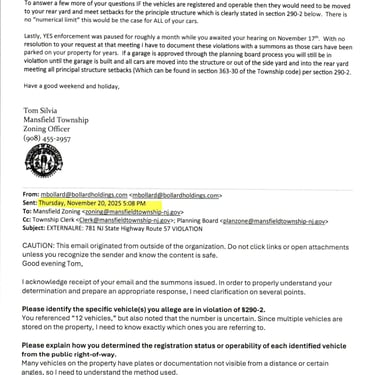
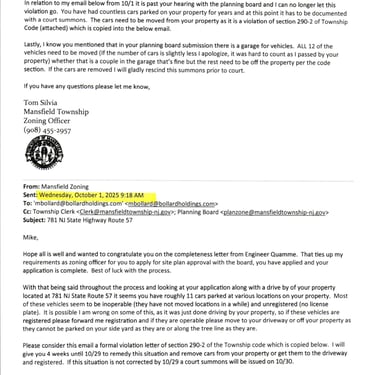
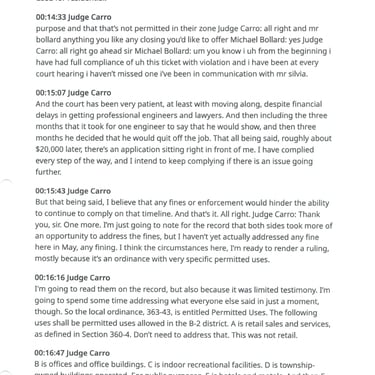
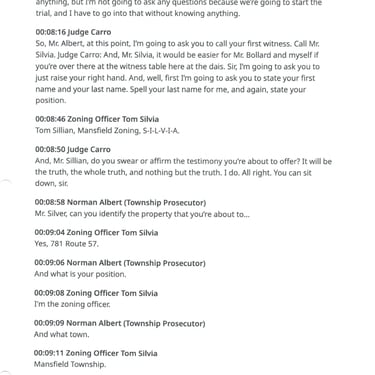
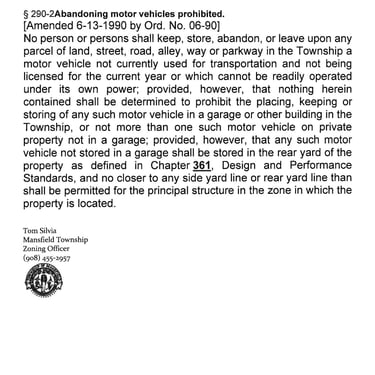
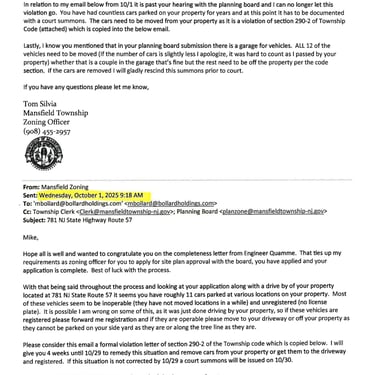
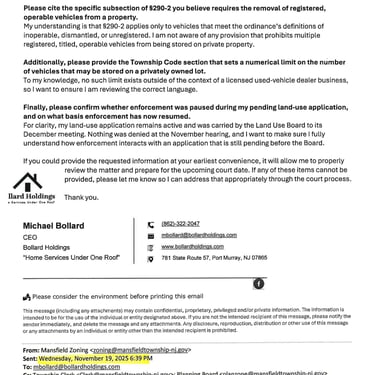
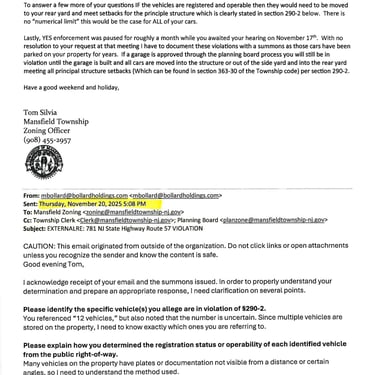
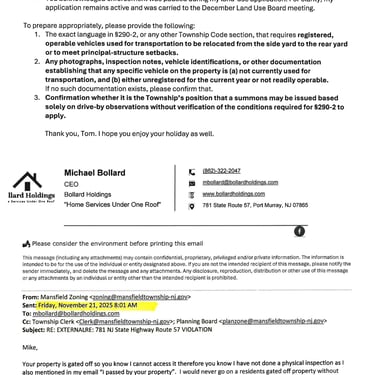
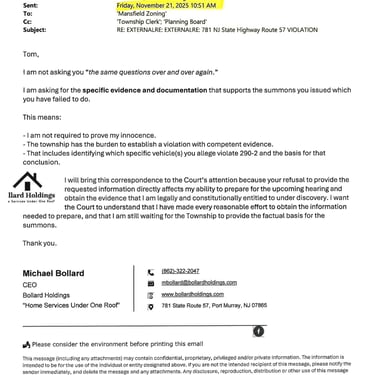
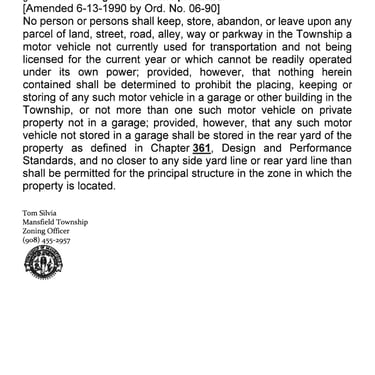
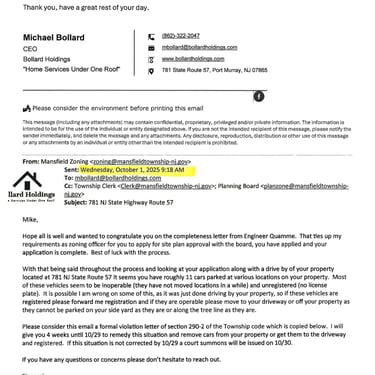
There was also a later summons under Township Code § 290-2 involving allegedly inoperable or unlawful vehicles on my property. This was a separate later matter from the July 29, 2025 residential-use hearing, but it illustrates the same public concern: zoning enforcement should be supported by evidence before a resident is brought into court.
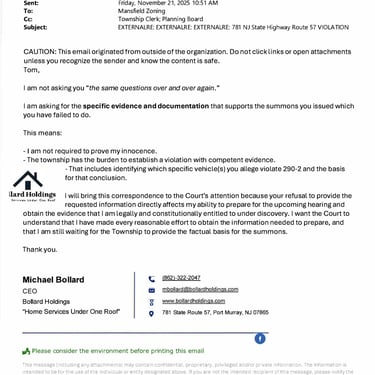
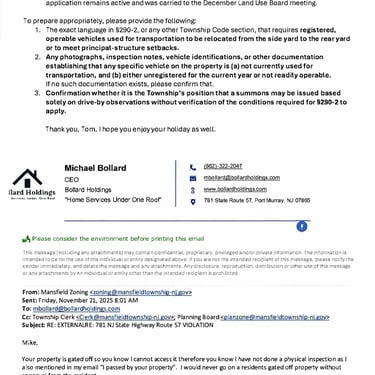
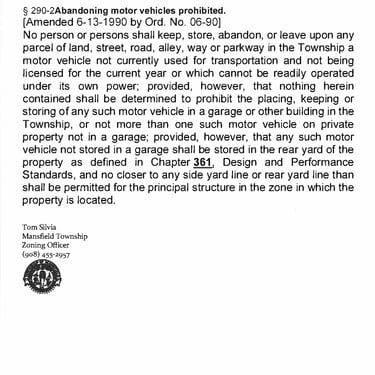
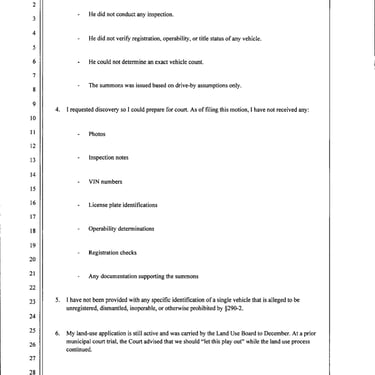
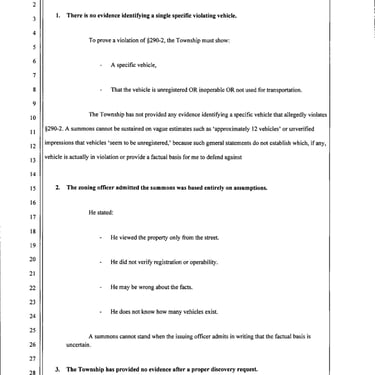
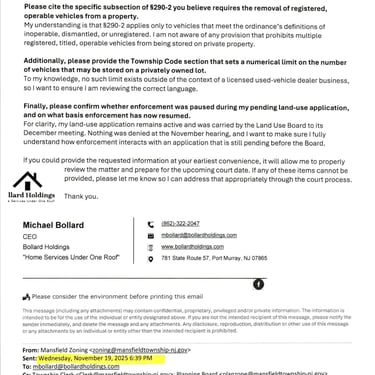
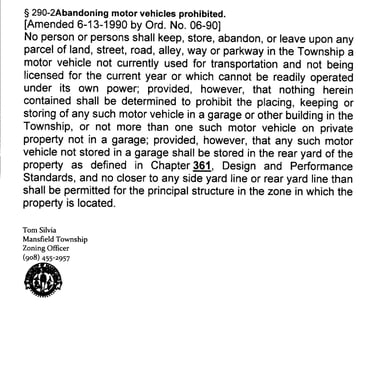
The § 290-2 issue is important because the ordinance does not simply prohibit vehicles because they are parked on private property. The ordinance applies to a specific category of vehicle, such as a vehicle not currently used for transportation and not licensed for the current year, or a vehicle that cannot be readily operated under its own power. That means the Township still had to identify a specific vehicle and establish why that vehicle violated the ordinance.
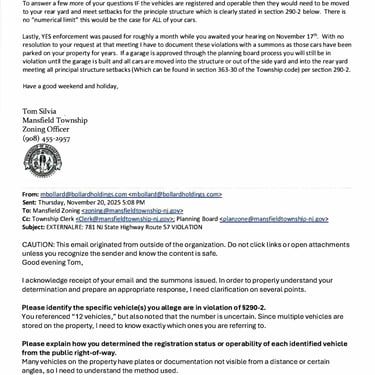
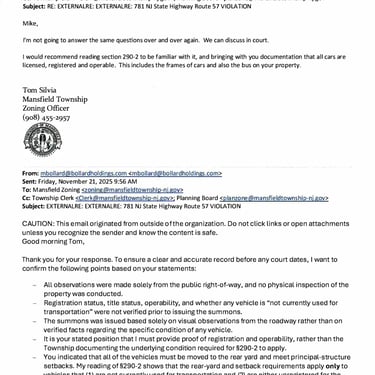
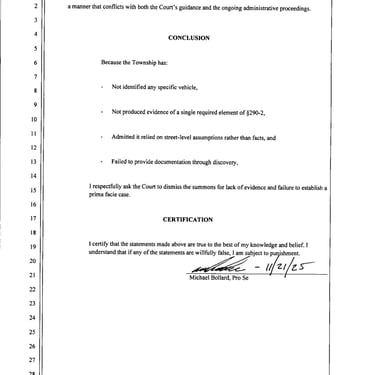
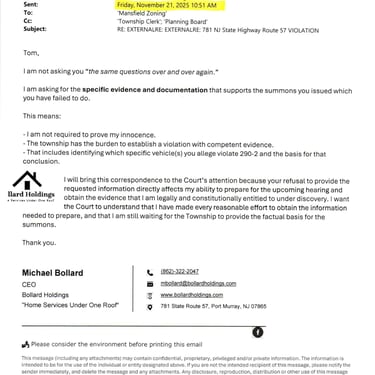
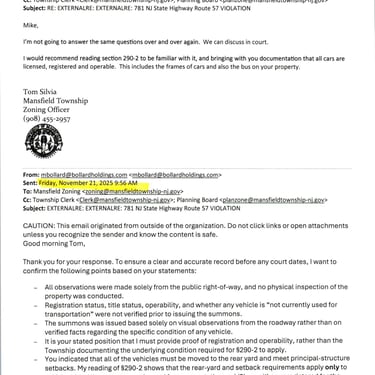
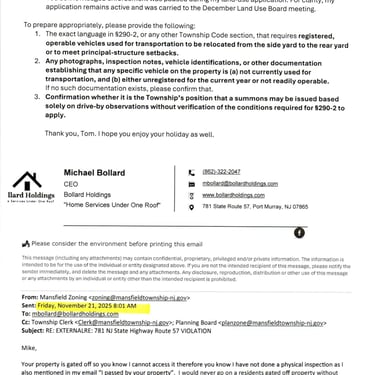
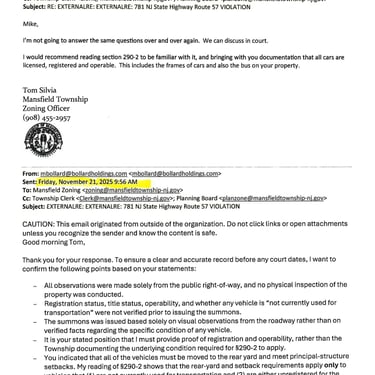
My position was that the summons was not supported by that kind of evidence. The record I prepared for that hearing stated that the zoning officer did not enter the property, conduct a physical inspection, examine any vehicle in person, identify a specific vehicle by make, model, VIN, license plate, or exact location, verify registration status with MVC, or test and determine the operability of any vehicle.
That is not a minor detail. It is the heart of the issue. A resident should not be brought into court first and then be forced to disprove an assumption later. Government should have a documented basis before it charges a resident with violating an ordinance.
11. The Burden-Shifting Problem
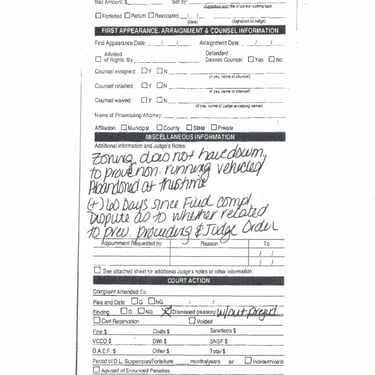
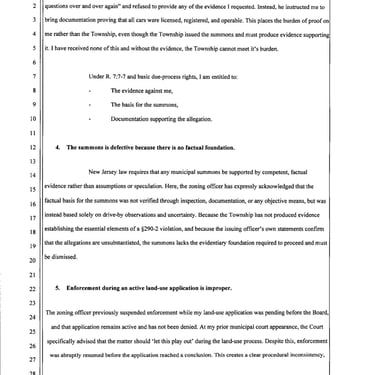
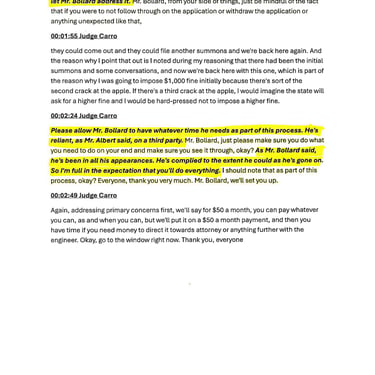
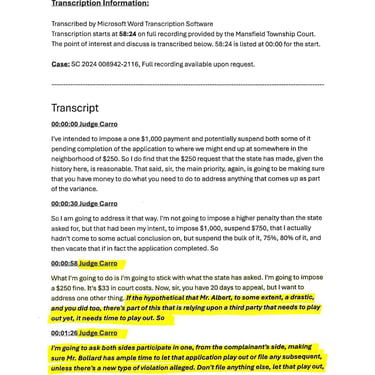
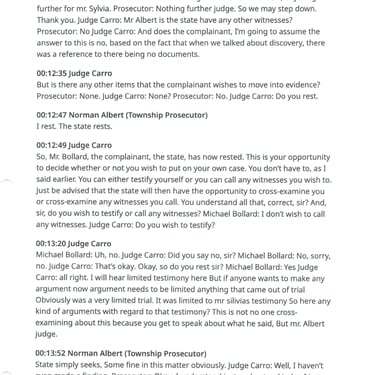
At the § 290-2 hearing, the zoning officer suggested that if I could prove the vehicles were operable and registered, he would withdraw the summons. That framing is exactly the process problem I have been raising.
It is not the resident’s burden to prove innocence before the Township has documented the violation. The judge corrected that issue and made clear that the burden was on the zoning officer to provide documentation showing why he believed the vehicles were not running and how he reached that conclusion.
That moment matters because it illustrates why records and procedure are not technicalities. Enforcement cannot simply begin with a conclusion and then require the resident to disprove it. If the Township believes a specific vehicle violates § 290-2, then the Township should identify the vehicle, document the facts, verify the required elements, and present the evidence.
That is basic fairness.
12. The Dismissal of the §290-02 Matter
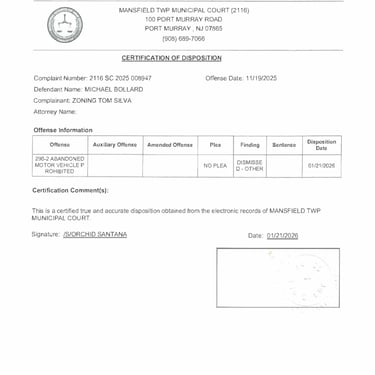
The § 290-2 matter was ultimately dismissed. That outcome matters because it shows why documentation and burden of proof are safeguards, not technicalities. They protect residents from unsupported enforcement, protect the Township from weak cases, and protect the court from being used to sort out matters that should have been properly documented before a summons was ever filed.
The sequence is straightforward: a summons was issued, the evidence was challenged, the zoning officer suggested I could prove compliance to get the matter withdrawn, the court made clear the burden was on the Township, and the matter was dismissed.
That sequence is one of the clearest examples of the process issue I have been talking about.

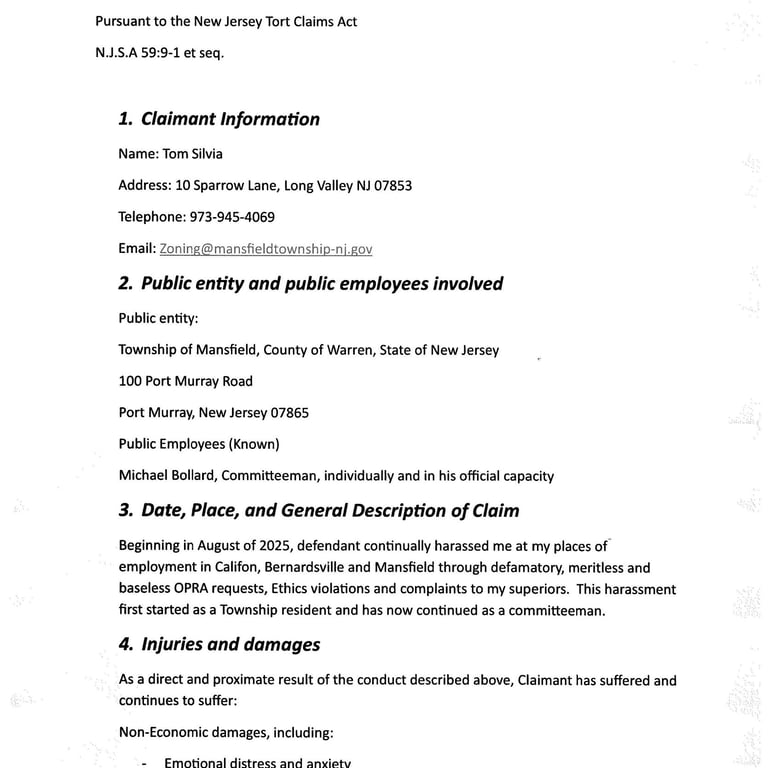
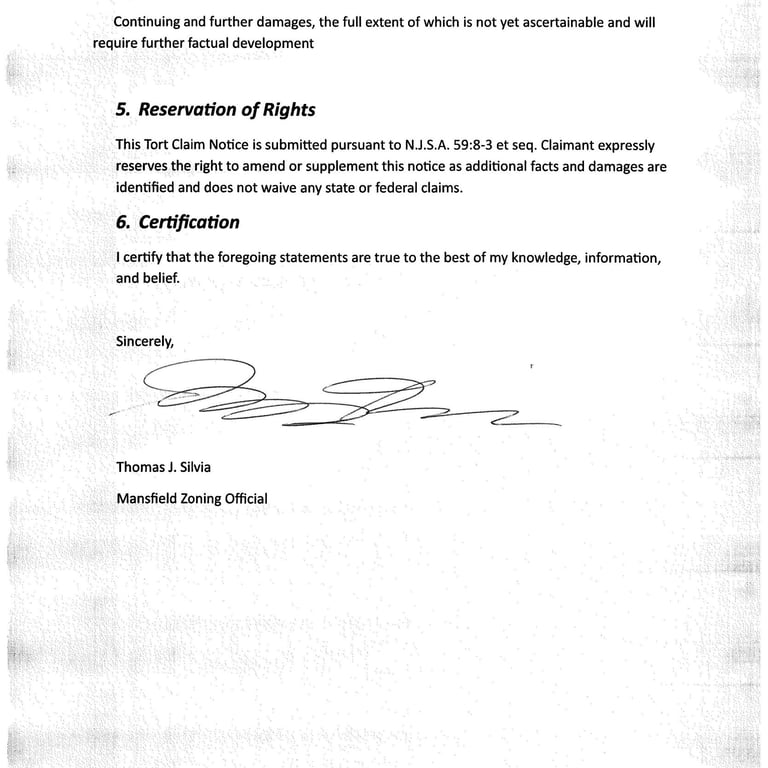
13. The Zoning Officer's Tort Claim Against Me
After the § 290-2 matter, the zoning officer filed his own tort claim notice against me.
I am not asking residents to decide the legal meaning of that filing here. I am not stating that the filing proves retaliation. I am not asking anyone to reach a legal conclusion based on timing alone.
But the timing and context are part of the story. Residents can judge the sequence for themselves: the zoning officer issued a later § 290-2 summons; the court questioned the lack of documentation and made clear the burden was on the Township; the matter was dismissed; shortly afterward, the zoning officer filed a tort claim notice against me.
That is why I keep returning to the same public issue: enforcement power must be documented, consistent, reviewable, and fair.
When a public official has enforcement power over residents, the process must be strong enough that residents can trust it. When records are missing, procedures are unwritten, burdens are shifted, and disputes escalate into court filings, residents have a right to ask whether the system is working properly.
14. The Ethics Complaint
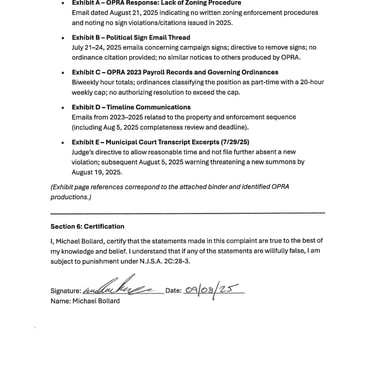
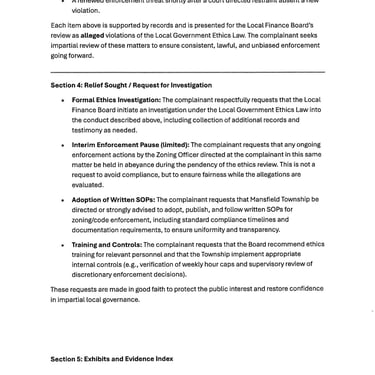
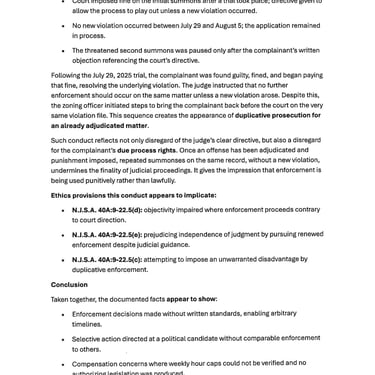
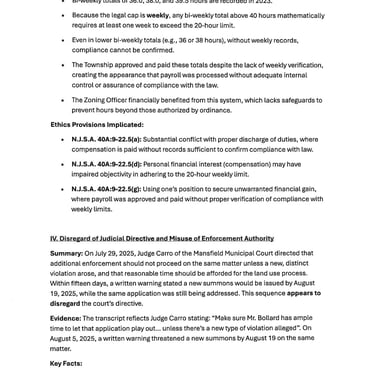
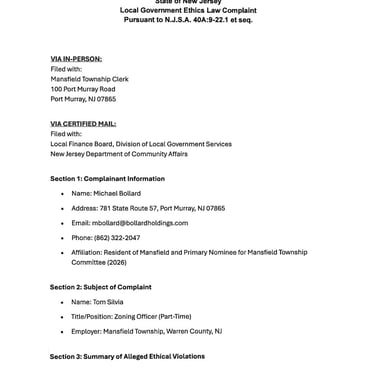
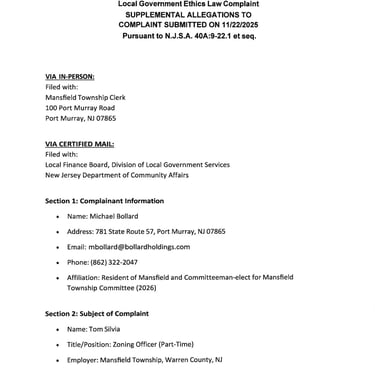
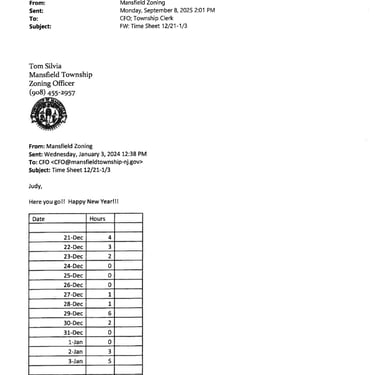
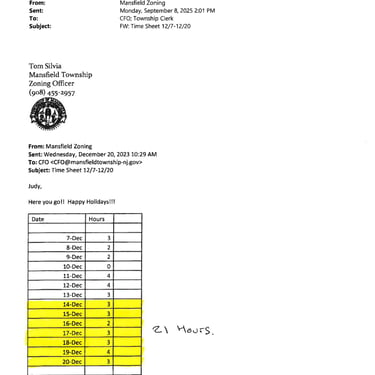
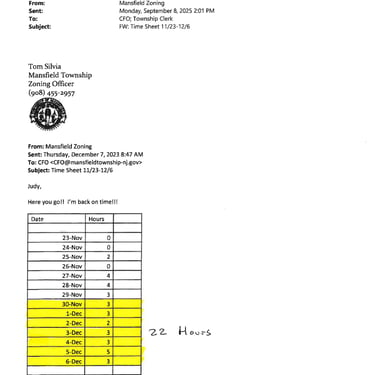
Separate from the tort claim, I filed a Local Government Ethics Law complaint. That complaint concerns alleged conduct by the zoning officer and was filed for review through the proper ethics process. It is based on OPRA responses, direct communications, and court proceedings.
The ethics complaint is not a final decision and is not a finding that anyone violated the law. It is a formal request for review.
The complaint raises public-record issues involving the absence of documented zoning enforcement procedures, political-sign enforcement, communications involving enforcement matters, documentation and consistency, and whether official authority was applied in a neutral and reviewable way.
Those are public-process questions. They are not private grudges.
15. The PCR and Change of Venue
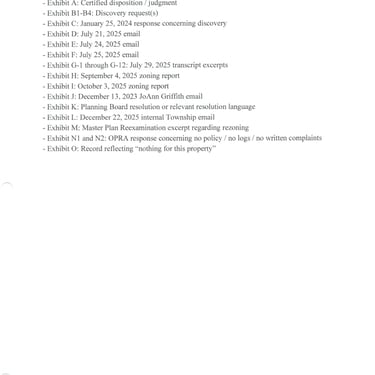
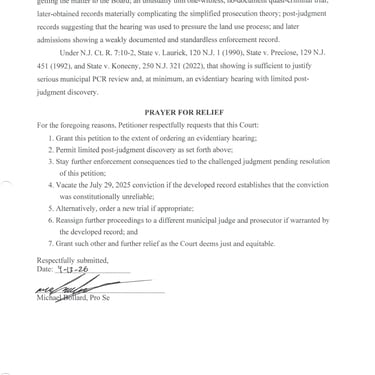
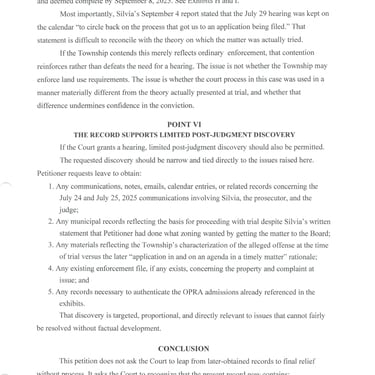
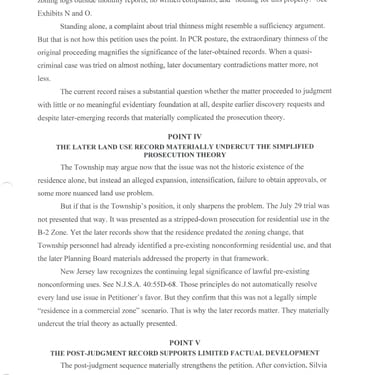
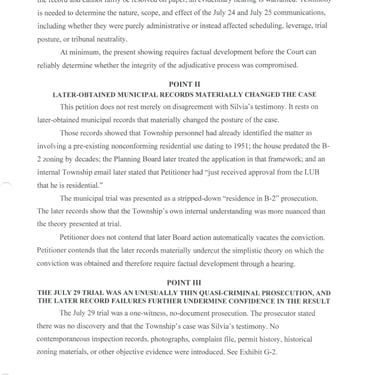
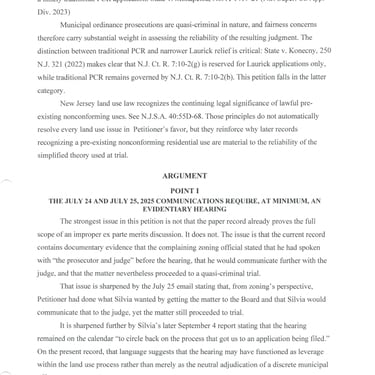
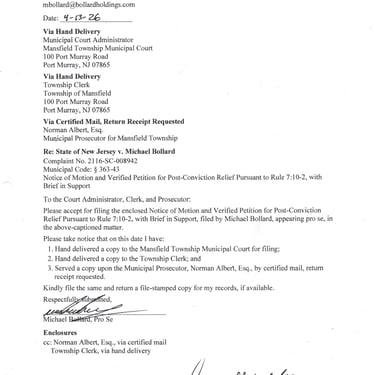
A Petition for Conviction Relief (PCR) has been filed, and my motion for change of venue has been granted. I am currently waiting for the new venue assignment.
Because that matter is before the court, I am not going to argue the PCR in this article. I am not asking residents to decide whether the PCR should be granted. That is for the court.
The purpose of mentioning it here is limited. It is part of the timeline and shows that the court-process concerns were raised formally through a legal filing, not merely posted online or discussed casually. It also shows that the matter is still moving through the proper legal process.
16. Directly Answering the Public Questions Raised
Because questions have now been asked publicly, I will answer them directly.
First, Bill Sosis did not draft my tort claim notice, PCR, ethics complaint, or any other legal filing for me. He did not write them, edit them, ghostwrite them, supervise them, or assist me in preparing them. My filings are my own.
I have handled this matter pro se, meaning I have represented myself. I have done my own OPRA work, document review, chronology building, legal research, drafting, filing preparation, and evidence organization.
For context, I am one licensing exam away from becoming a paralegal, with a focus on contract law and constitutional issues. That does not make me an attorney, and I have never claimed to be one. But it does mean I am capable of reading records, organizing facts, researching legal issues, preparing timelines, reviewing public documents, and drafting filings on my own behalf.
The suggestion that another candidate secretly prepared my documents is false.
Second, I am not asking taxpayers to “compensate me for a guilty plea.” That is a misleading framing of the tort claim notice.
The tort claim concerns the manner in which zoning enforcement authority was exercised. It raises issues involving documentation, consistency, process, alleged selective enforcement, and related administrative conduct. A tort claim notice is not a court award, not a finding of liability, not money I have received, and not proof that any amount will ever be awarded.
A demand amount in a tort claim notice is part of a legal notice preserving potential claims. If a case proceeds, damages are ultimately for the court, a jury, or the legal process to determine based on what is equitable, just, and supported by evidence.
That is the proper answer. The legal process determines damages, if any. Not me, not a political opponent, and not social media.
17. What the Public Issue Really Is
The public issue is not speculation about who helped write a document. It is not a misleading claim that I am trying to be paid for a guilty plea. The public issue is whether zoning enforcement in Mansfield is documented, consistent, reviewable, and fair.
That should matter to every resident.
If a resident receives a zoning notice, what records support it? If a summons is issued, what evidence was created before the summons was filed? If a deadline is imposed, what written policy controls that deadline? If political signs are questioned, were other signs treated the same way? If enforcement occurs during a land-use application, what safeguards exist to prevent pressure or selective treatment? If the Township has no documented zoning procedure, how does the public know enforcement is consistent? If a resident is taken to court under an ordinance, does the Township first document each element it must prove?
Those are the questions the documents raise, and those are the questions residents should be asking.
18. Why This Is Bigger Than One Case
This issue is bigger than one property, one resident, one zoning officer, or one election.
Local government works best when residents can understand how decisions are made. Meetings should be accessible, votes should be public, records should be available, processes should be written down, enforcement should be consistent, and officials should be accountable.
Residents should not need inside knowledge to understand how government power is being used.
That is what transparency means. It is not simply posting a slogan. Transparency means the public can see how government works. It means decisions can be examined, records can be reviewed, and residents can compare what was said with what was done.
A fair process should be documented, consistent, reviewable, and understandable to the public.
19. What I Am Asking Residents To Do
I am not asking residents to take my word for anything. I am asking residents to read the documents.
Read the tort claim notice. Read the ethics complaint. Read the public-record responses. Read the court filings that are appropriate to share. Read the § 290-2 record. Look at the timeline. Look at the process.
Then ask whether Mansfield’s zoning enforcement system is documented enough, consistent enough, transparent enough, and accountable enough.
That is the public question.
20. Final Word
The legal issues will continue in the proper forums. The PCR will proceed through the court. The ethics complaint will proceed through the ethics process. Any civil claims will proceed through the legal process if and when they are filed.
I will not try those matters on social media. But when public documents are discussed publicly, especially during election season, the full record should be available.
That is the purpose of this article. Not to inflame, not to accuse beyond the documents, and not to ask anyone to prejudge the matter. The purpose is to make the public record available, accurate, and complete.
Allegations remain allegations unless and until decided by the appropriate body or court.
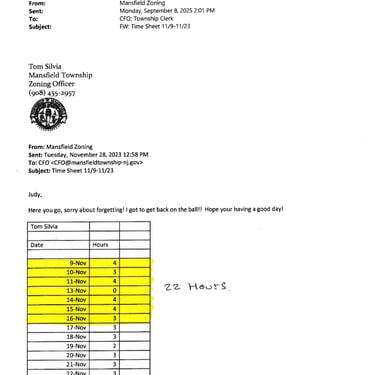
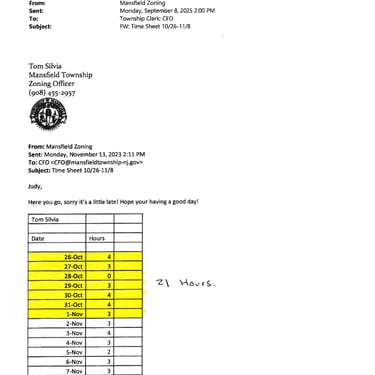
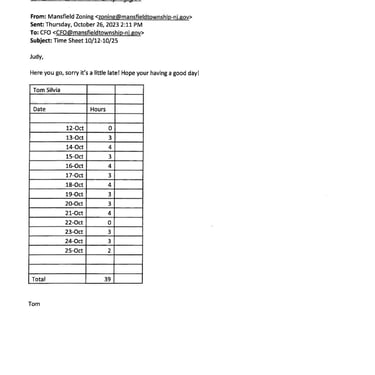
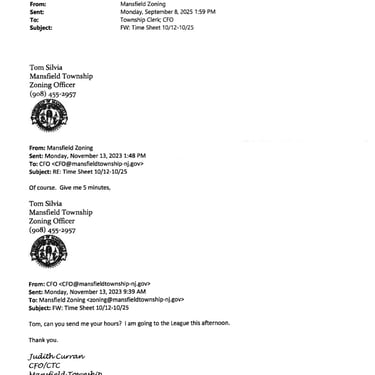
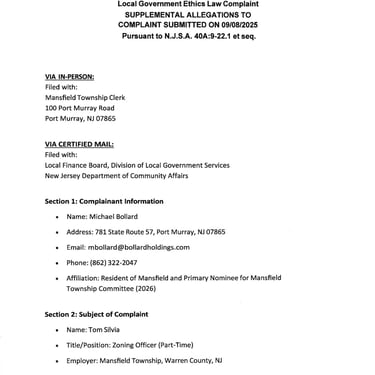
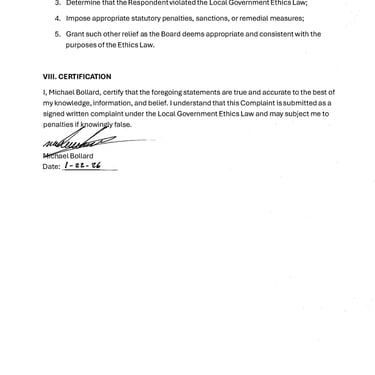
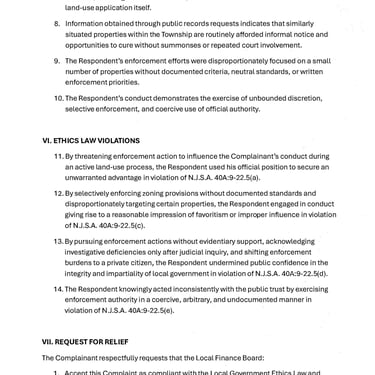
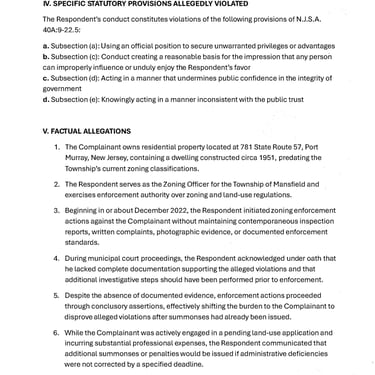
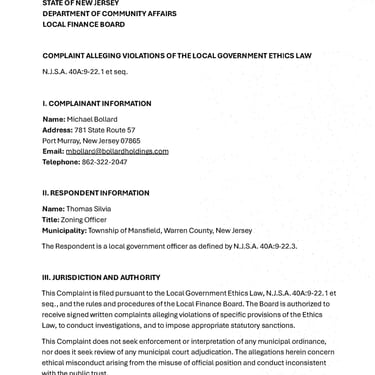
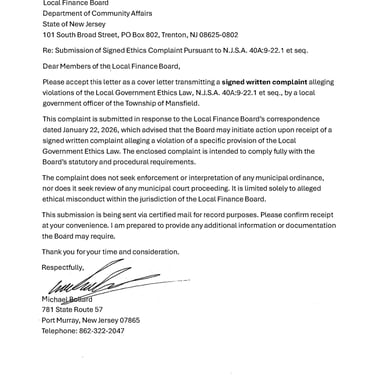
Initial Complaint
Supplemental Complaint
Supplemental Complaint
Formatted Complaint at the Request of DCA
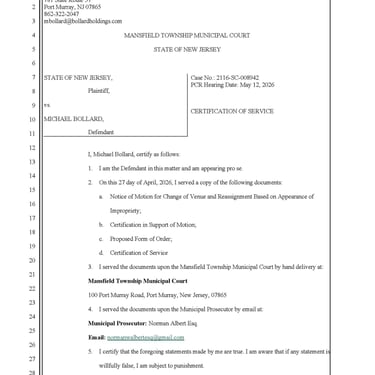
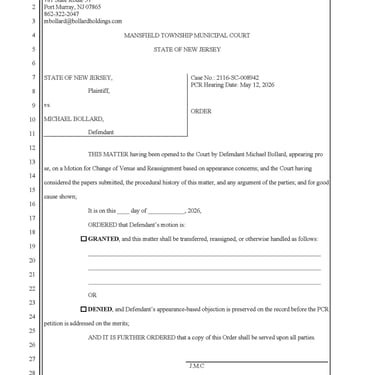
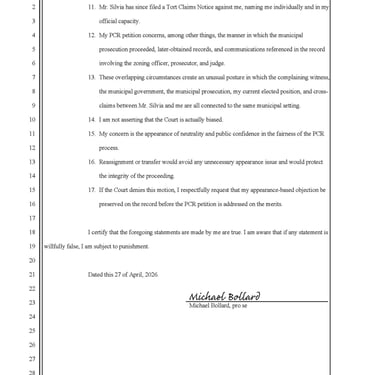
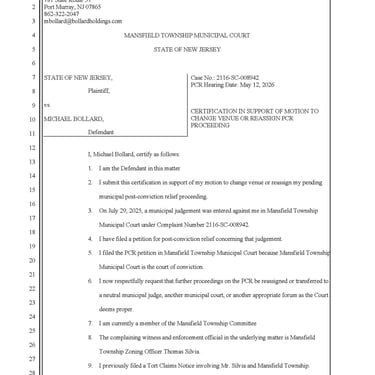
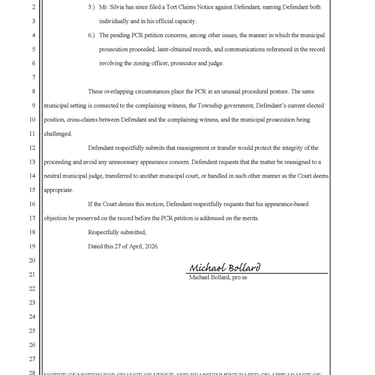
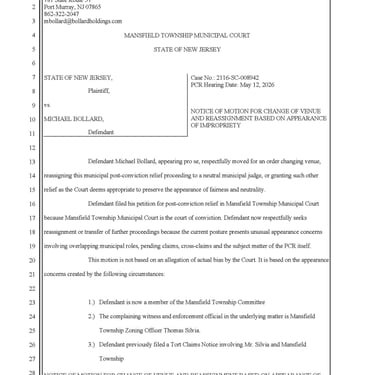
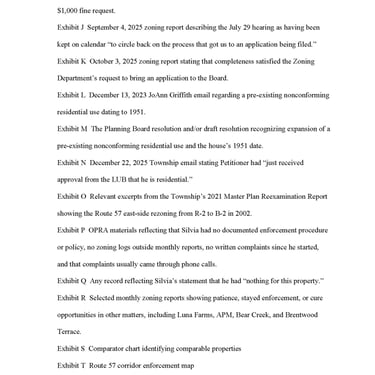
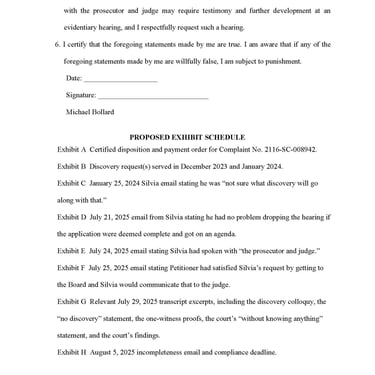
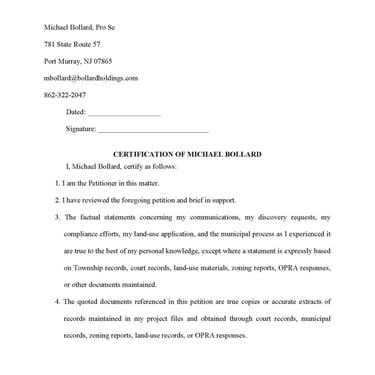
Motion to Change Venue
Petition for Conviction Relief